In the religious and medical traditions of Asia, the human person was said to have three sources of energy: sexual, breath, and spirit. Sexual energy is what you spend during sexual intercourse. Breath energy is the kind of energy you spend when you talk too much and breathe too little. Spirit energy is energy that you spend when you worry too much, and do not sleep well. If you spend these three sources of energy, your body is not strong enough for the realization of the Way and a deep penetration into reality. Buddhist monks observe celibacy, not because of moral admonition, but for conservation of energy.
(Thich Nhat Hanh, ‘Being Peace’, Parallax Press, Berkeley, CA, 1987, p.100-101)
Sunday, July 30, 2006


Friday, July 28, 2006

Thursday, July 27, 2006
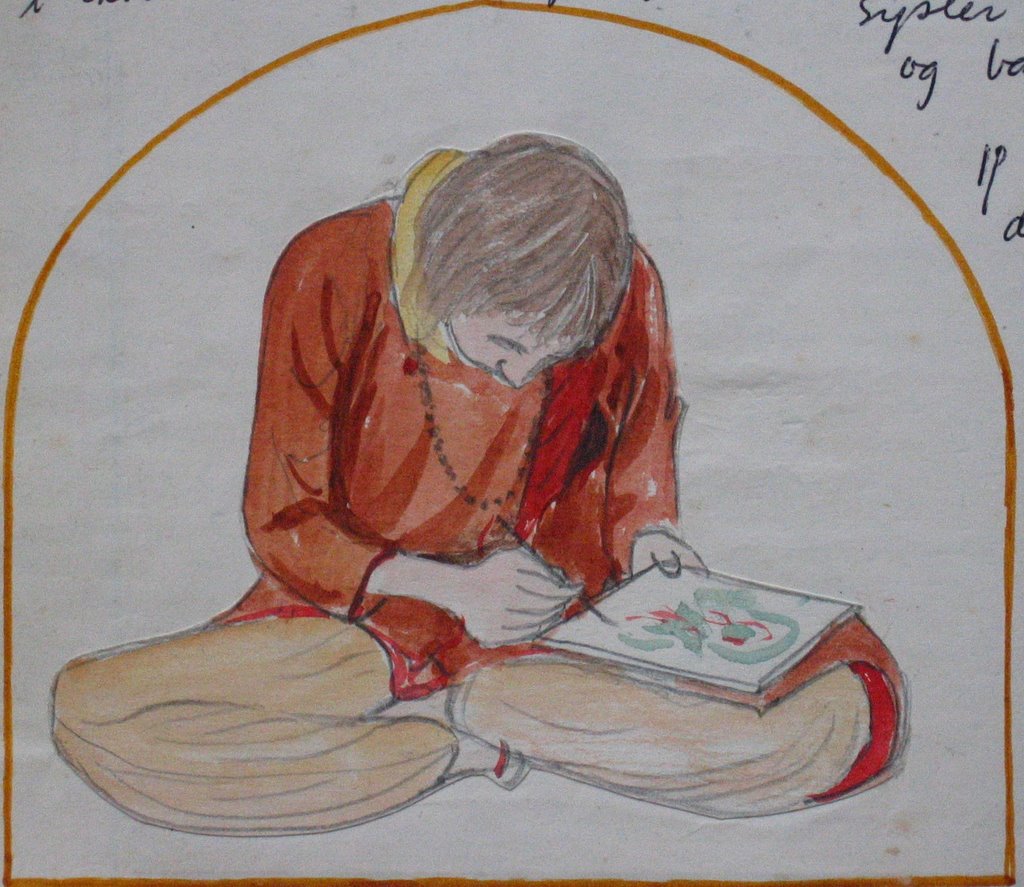
Painting a Thanka
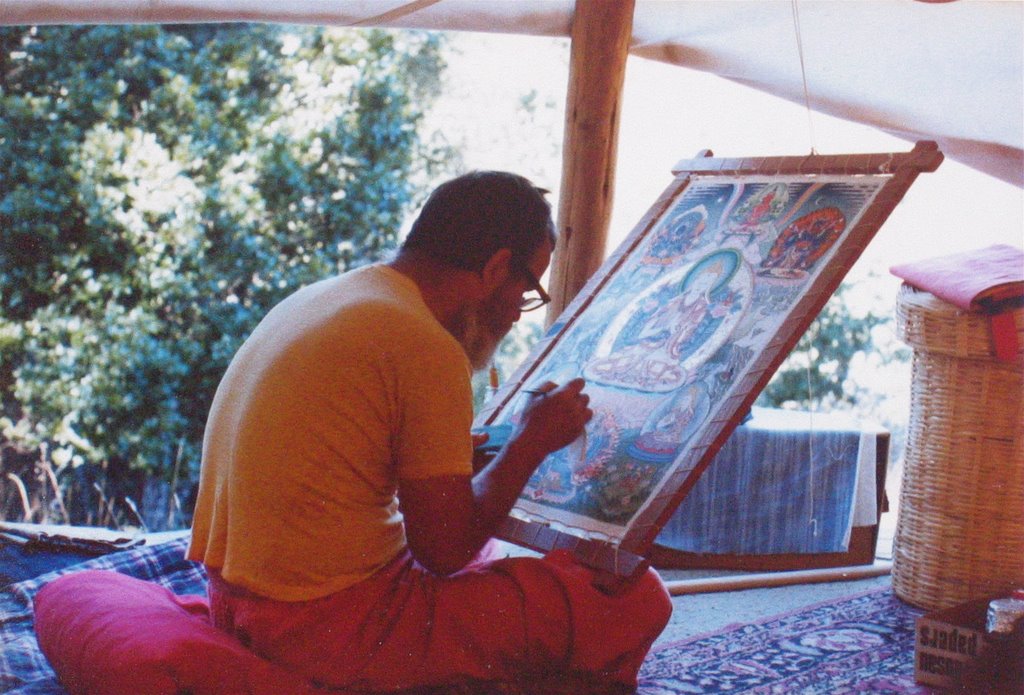 Last Saturday I posted a detail of a thanka of Lama Tsong Khapa, here I am painting it the first summer I stayed at Vajrapani Retreat 1978.
Wednesday, July 26, 2006
Live in the Spirit (a quote)
Live in the spirit, say the grandfathers; the spirit never will demand a surrender of your reason or deny you any urge. Whoever says that man shall suspend his reasoning looks for ways of stifling the spirit, and whoever says that man shall repress his natural desires hunts ways for killing joy.
From Ruth Beebe Hill's ‘Hanta Yo’ (Clear the Way), An American Saga.
From Ruth Beebe Hill's ‘Hanta Yo’ (Clear the Way), An American Saga.
Tuesday, July 25, 2006

Monday, July 24, 2006
JOURNEY TO THE EAST 8
Back in Bodhanath I decided to go and see Bhagawan Dass, but when I came to Kopan he was not home. I was about to leave when a tall handsome American woman with a crew cut and dressed in Tibetan robes called me back.
“I am Zina,” she said, “but you can call me mother! What are your plans?”
“I am soon going back to India,” I said.
“That is not a good idea,” she said. “The rainy season is unbearable, it is too hot. You should stay here, the monsoon is very pleasant here.”
“But my visa is running out.”
“I can help you with a visa.”
“But I have no money.”
“I can help you with money, and you can stay here for free. I’ll give you a room and money every month.”
She took me round to the secluded south side of the house and showed me a large airy room. “This is the best room, it just needs to be cleaned, then you can stay here. And you can meet the Lamas; they are not here now, but they are coming soon.”
This is how I came to stay at Kopan.
When I arrived a week later my room was not yet ready and Zina asked me I if I would mind sharing a room with Michael a few days. “Michael is in silence,” she said, “and it will only be a couple of days anyway!”
Michael Hollingshead, a baldish and bearded hippie about my age, was actually trying to kick a heroin habit, and he was not ready to be silent. From the moment I became his roommate he made use of my voice; he was constantly writing notes asking me to tell the cook this and ask Zina that. When I came back from a trip to Katmandu, quite exhausted, he had spread his papers all over the room, and there was hardly space to sit down, let alone to rest. The days passed without my room being ready, and I was about to give up, but I had read a word by the Buddha: “If you are not able to live with demons, you cannot find enlightenment.” Finally after five days I lost my patience and called on Zina: “Michael is driving me crazy, you have to get my room ready tomorrow.” Michael was angry that I had complained, but at least that made him stop writing notes, and the following day I got my room and peace was restored.
The rainy season went by quietly. The weather was pleasant; it didn’t rain too much, often just a short violent storm late in the afternoon that left the air fresh and balmy. Zina gave me small artistic jobs to do for her, and it felt good to finally settle down. I started sewing handbags with embroidery in Tibetan style to sell. The promised money from Zina did not always show up, but with board and lodging free I didn’t need much.
 When the rains stopped the lamas arrived. Geshe Thubten Yeshe and Thubten Zopa Rimpoche, as they were introduced by Mother Zina - whom nobody ever called Mother. She liked to give names. She referred to me as ‘our Babaji’, and Babaji became my name. On Thubten Yeshe she conferred the title of Geshe though he had not actually taken the Geshe degree, which is like a doctorate. He was 35 years old, and at first he just seemed to be another extremely friendly Tibetan, as all the ones I had met on my trek had been. Thubten Zopa was young and good-looking and his whinnying laughter sounded ever so often. We all had our meals together, and I soon came to feel very comfortable with Thubten Yeshe whose down-to-earth manner fitted well with my Taurean nature.
“I am Zina,” she said, “but you can call me mother! What are your plans?”
“I am soon going back to India,” I said.
“That is not a good idea,” she said. “The rainy season is unbearable, it is too hot. You should stay here, the monsoon is very pleasant here.”
“But my visa is running out.”
“I can help you with a visa.”
“But I have no money.”
“I can help you with money, and you can stay here for free. I’ll give you a room and money every month.”
She took me round to the secluded south side of the house and showed me a large airy room. “This is the best room, it just needs to be cleaned, then you can stay here. And you can meet the Lamas; they are not here now, but they are coming soon.”
This is how I came to stay at Kopan.
When I arrived a week later my room was not yet ready and Zina asked me I if I would mind sharing a room with Michael a few days. “Michael is in silence,” she said, “and it will only be a couple of days anyway!”
Michael Hollingshead, a baldish and bearded hippie about my age, was actually trying to kick a heroin habit, and he was not ready to be silent. From the moment I became his roommate he made use of my voice; he was constantly writing notes asking me to tell the cook this and ask Zina that. When I came back from a trip to Katmandu, quite exhausted, he had spread his papers all over the room, and there was hardly space to sit down, let alone to rest. The days passed without my room being ready, and I was about to give up, but I had read a word by the Buddha: “If you are not able to live with demons, you cannot find enlightenment.” Finally after five days I lost my patience and called on Zina: “Michael is driving me crazy, you have to get my room ready tomorrow.” Michael was angry that I had complained, but at least that made him stop writing notes, and the following day I got my room and peace was restored.
The rainy season went by quietly. The weather was pleasant; it didn’t rain too much, often just a short violent storm late in the afternoon that left the air fresh and balmy. Zina gave me small artistic jobs to do for her, and it felt good to finally settle down. I started sewing handbags with embroidery in Tibetan style to sell. The promised money from Zina did not always show up, but with board and lodging free I didn’t need much.
 When the rains stopped the lamas arrived. Geshe Thubten Yeshe and Thubten Zopa Rimpoche, as they were introduced by Mother Zina - whom nobody ever called Mother. She liked to give names. She referred to me as ‘our Babaji’, and Babaji became my name. On Thubten Yeshe she conferred the title of Geshe though he had not actually taken the Geshe degree, which is like a doctorate. He was 35 years old, and at first he just seemed to be another extremely friendly Tibetan, as all the ones I had met on my trek had been. Thubten Zopa was young and good-looking and his whinnying laughter sounded ever so often. We all had our meals together, and I soon came to feel very comfortable with Thubten Yeshe whose down-to-earth manner fitted well with my Taurean nature.
Sunday, July 23, 2006

Saturday, July 22, 2006
Lama Tsong Khapa
 Detail of a thanka I painted in 1978, the first summer at Vajrapani Retreat Center.
Friday, July 21, 2006
Friday Night
 Melanie making up. The house is glowing and warm in the summer night.
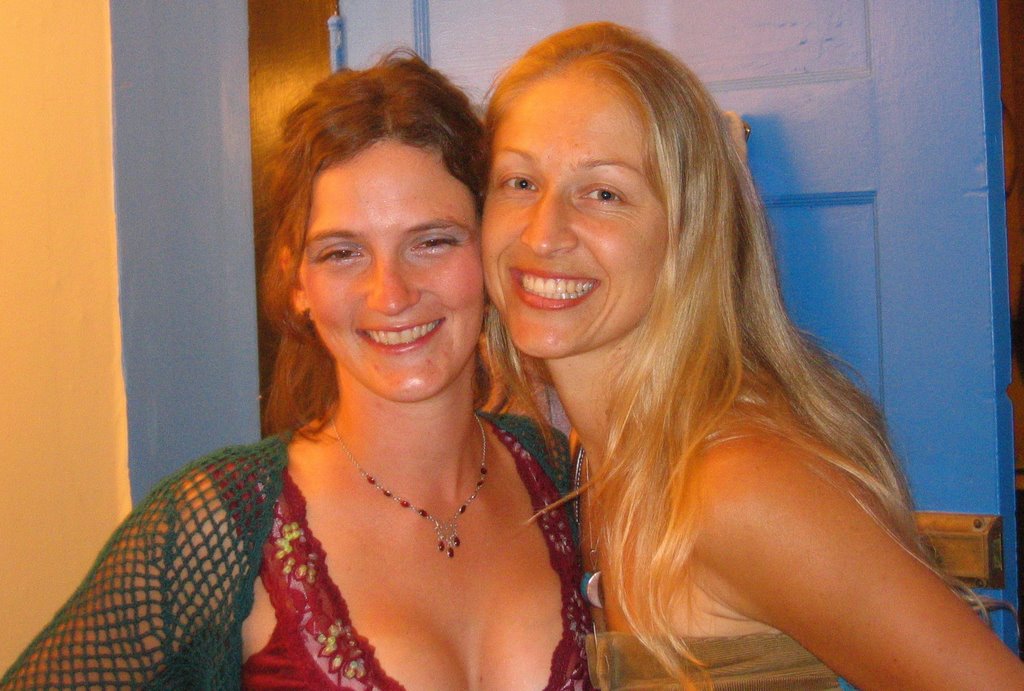 My two housemates are ready for Friday night.
 I stay home and technically babysit with a monitor. But the kids have been properly tired out and there is not a sound to be heard from them.
Tonight I worship the green Goddess, Purveyor and Protector of Dreams manifest in Beauty.
I am listening to Aziza, the group I was studying with in Africa in 02. It rocks! Their music, which takes material from different tribes in Ghana, has wonderful singing and mesmerizing drums. I have danced to some of these rhythms.
And then I am blogging;
I think blogger-thoughts;
I think about the connection with you my friends and readers who tell me from time to time that you are visiting here; I thank you!
And thank you to you who just drop in!
And thank you to you who have commented - (that's you, Sue ;-)
I must concede that I don't leave many comments with others, so I guess I don't deserve them.
Talking blogger-talk is a sign that one has been infected with bloggeritis.
JOURNEY TO THE EAST 7
(Scroll down to read the previous accounts of the Journey to the East)
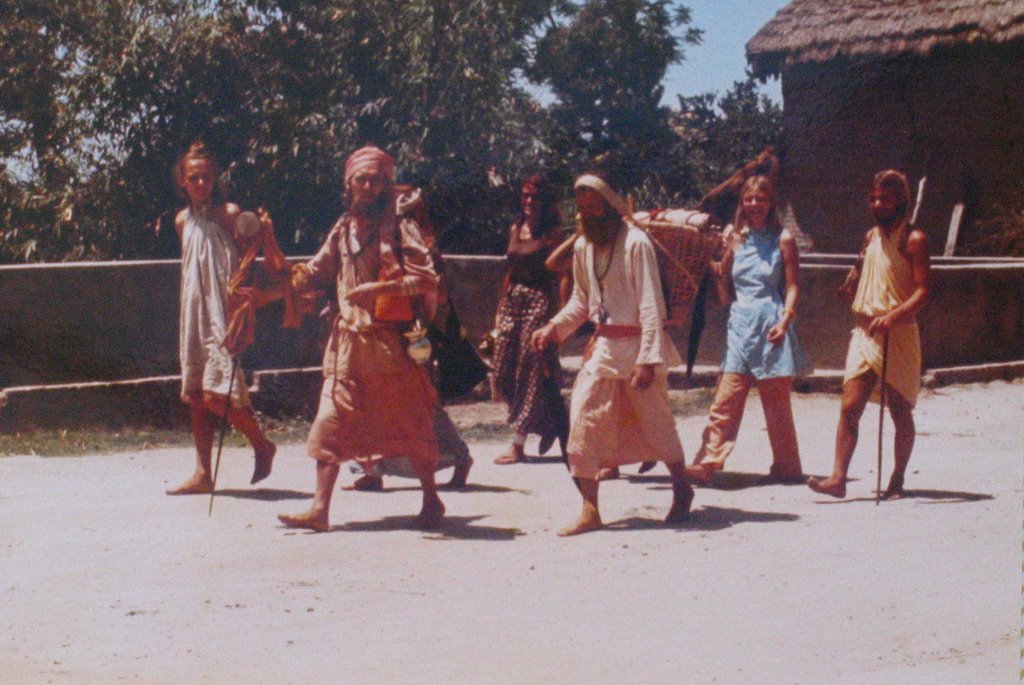
It was my plan to trek in the high mountains before my return to India. Torben took a photo of our departure showing Tove and Jytte walking with a group of barefoot sadhus in orange robes, from left: Fut, Niels Ebbe, Hurtigkarl who cannot be seen except for his feet, Tove, me with a big basket à la Newari, Jytte and John. Most of them were seeing us off, only Niels Ebbe and Hurtigkarl was going on the trek; both of them I hardly knew, and Niels Ebbe I didn’t particularly like, but they were not going as far as I, who had planned to reach Junbesi, the first Sherpa village in a valley. A few days out we were sitting in a small settlement when we spotted a figure coming down the trail. It was a tall blond boy dressed in a white dhoti and with a crown of dreads. “Bhagawan Dass,” said Niels Ebbe. In ‘Be Here Now’ by Ram Dass I had read about Bhagawan Dass; the boy that set Richard Alpert on his path and brought him to his guru, and I had heard that he was around. It is always an occasion when you meet another traveler out in the mountains, and we ordered tea and sat smoking and talking for a couple of hours until we had to continue each his way. Bhagawan Dass said to come and see him when I returned, he was staying at Kopan, and when he described how to get there, I recognized the hidden house on the hill.
After a few more days my companions turned around, and I was on my own. The path went over ridge upon ridge. In the valleys lived the Hindus, but on top of the ridges I began to come upon Sherpa settlements. The Sherpas have been in the high parts of the Nepali Himalayas for the last 2-300 years. They migrated from Tibet and their language, culture, and religion are still Tibetan. Finally, in Junbesi, even the bottom of the valley is so elevated that the Sherpas have settled here. I stayed with a family for a few days and did a trek up the valley to the famous monastery Thubten Chöling. It is a beautiful lush valley, and it has a homey feeling for a Scandinavian person. When I began my trek home a little servant boy from the family I had stayed with caught up with me and insisted on following me. He had a tough life and I had been kind to him, so he had decided to throw his lot in with me. The next day he began to get doubts, and when we met a man from Junbesi he agreed to return with him.
I had been walking barefoot all the way and had constant trouble with my feet. On the way back I also got a stomach infection and could not keep anything in me. I felt weak, but there was no alternative, I had to go on. The last day, on the way slowly up the last ridge, I met an American who gave me a bag of trail mix. That proved to be the first food that didn’t go right through me, and it gave me good energy so that I strode along the ridge and arrived at the paved road with my stomach back in order and my feet tough and for the first time without any sores.
It was my plan to trek in the high mountains before my return to India. Torben took a photo of our departure showing Tove and Jytte walking with a group of barefoot sadhus in orange robes, from left: Fut, Niels Ebbe, Hurtigkarl who cannot be seen except for his feet, Tove, me with a big basket à la Newari, Jytte and John. Most of them were seeing us off, only Niels Ebbe and Hurtigkarl was going on the trek; both of them I hardly knew, and Niels Ebbe I didn’t particularly like, but they were not going as far as I, who had planned to reach Junbesi, the first Sherpa village in a valley.
 A few days out we were sitting in a small settlement when we spotted a figure coming down the trail. It was a tall blond boy dressed in a white dhoti and with a crown of dreads. “Bhagawan Dass,” said Niels Ebbe. In ‘Be Here Now’ by Ram Dass I had read about Bhagawan Dass; the boy that set Richard Alpert on his path and brought him to his guru, and I had heard that he was around. It is always an occasion when you meet another traveler out in the mountains, and we ordered tea and sat smoking and talking for a couple of hours until we had to continue each his way. Bhagawan Dass said to come and see him when I returned, he was staying at Kopan, and when he described how to get there, I recognized the hidden house on the hill.
After a few more days my companions turned around, and I was on my own. The path went over ridge upon ridge. In the valleys lived the Hindus, but on top of the ridges I began to come upon Sherpa settlements. The Sherpas have been in the high parts of the Nepali Himalayas for the last 2-300 years. They migrated from Tibet and their language, culture, and religion are still Tibetan. Finally, in Junbesi, even the bottom of the valley is so elevated that the Sherpas have settled here. I stayed with a family for a few days and did a trek up the valley to the famous monastery Thubten Chöling. It is a beautiful lush valley, and it has a homey feeling for a Scandinavian person. When I began my trek home a little servant boy from the family I had stayed with caught up with me and insisted on following me. He had a tough life and I had been kind to him, so he had decided to throw his lot in with me. The next day he began to get doubts, and when we met a man from Junbesi he agreed to return with him.
I had been walking barefoot all the way and had constant trouble with my feet. On the way back I also got a stomach infection and could not keep anything in me. I felt weak, but there was no alternative, I had to go on. The last day, on the way slowly up the last ridge, I met an American who gave me a bag of trail mix. That proved to be the first food that didn’t go right through me, and it gave me good energy so that I strode along the ridge and arrived at the paved road with my stomach back in order and my feet tough and for the first time without any sores.
Thursday, July 20, 2006
Abortion (a quote)
Abortion is sometimes necessary, sometimes not, always sad. It is to the woman as war is to the man – a living sacrifice in a cause justified or not justified, as the observer may decide. It is the making of hard decisions – that this one must die that that one can live in honor and decency and comfort. Women have no leaders; a woman’s conscience must be her General. There are no stirring songs to make the task of killing easier, no victory marches and medals handed round afterwards, merely a sense of loss.
(Fay Weldon, ‘The Hearts and Lives of Men’, p.65)
(Fay Weldon, ‘The Hearts and Lives of Men’, p.65)
Wednesday, July 19, 2006
Tuesday, July 18, 2006
Monday, July 17, 2006
Sunday, July 16, 2006
JOURNEY TO THE EAST 6
In the spring of 1970 I went to Nepal with an old friend, the Danish photographer Torben Huss. We went by Varanasi where we spent a day, then by train to the Nepalese border. Here we were looking for a ride with a truck and were shown where to ask in a store. There was a flock outside; two Americans were complaining and whining: “You said you were going at ten. Now it is noon; when are you going?” - “Why don’t you keep to the agreement?” - “How long is it going to last?”
The rest of the flock was listening, and so were we. The drivers sat on the floor working on a tire and they didn’t even look up. Finally the Americans gave up and left, and the crowd dispersed. When we were the only ones left, we asked if they were going to Katmandu, and they said, yes, they were leaving soon, and, yes, we could get a ride.
It was a glorious ride; most of the way we sat on top of the drivers cap while the heavily loaded truck ground up the winding road through the shining mountains. We reached the top as the sun went down and passed the night on the ground next to the truck.
Next morning we arrived in Katmandu and Torben, who had been there in the early sixties, just after Nepal was opened for travelers, could not recognize the town, so many new buildings had grown up. We found the mini-bus to Bodhanath that is not far from Katmandu. Where we got off the bus, there were a few houses along the road.
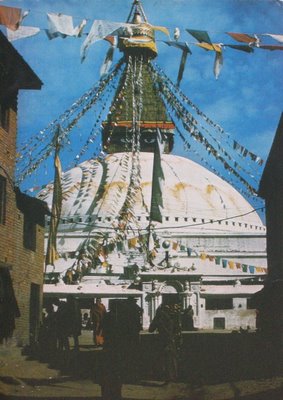 Between two of them an opening lead in to the gigantic stupa whose golden upper part was decorated with the serene eyes of the Buddha. The stupa was surrounded by one circle of houses, and this was the whole town of Bodhanath. Monks and nuns and lay Tibetans were circling the stupa, keeping it on their right side; some had prayer wheels, others were turning the prayer wheels that were set in the wall all the way around. We circled a couple of times and went through a narrow passage on the opposite side from the road and came out on a path through the rice fields. After a few minutes walk we found John’s house where we were going to stay.
Looking from the house, away from the stupa towards the mountains in the north, there was a small hill with a flat top with two great trees. Just as Sidi Ali had called me when I was in Meknès, this hill called me now, and one day, when I was smoothly coming down from an acid-trip, I obeyed the call. With brisk energy I completed the half hour walk up there before the sunset. I sat by a small shrine on the west side and saw the sun set behind the glittering golden towers of Katmandu showing the hill of Swayambunath in silhouette. Before leaving I looked around. There was a marvelous view of the whole valley from the top of the hill, and on the south side I found a half open gate, through which I spied an old house, hiding behind tall hedges.
The rest of the flock was listening, and so were we. The drivers sat on the floor working on a tire and they didn’t even look up. Finally the Americans gave up and left, and the crowd dispersed. When we were the only ones left, we asked if they were going to Katmandu, and they said, yes, they were leaving soon, and, yes, we could get a ride.
It was a glorious ride; most of the way we sat on top of the drivers cap while the heavily loaded truck ground up the winding road through the shining mountains. We reached the top as the sun went down and passed the night on the ground next to the truck.
Next morning we arrived in Katmandu and Torben, who had been there in the early sixties, just after Nepal was opened for travelers, could not recognize the town, so many new buildings had grown up. We found the mini-bus to Bodhanath that is not far from Katmandu. Where we got off the bus, there were a few houses along the road.
 Between two of them an opening lead in to the gigantic stupa whose golden upper part was decorated with the serene eyes of the Buddha. The stupa was surrounded by one circle of houses, and this was the whole town of Bodhanath. Monks and nuns and lay Tibetans were circling the stupa, keeping it on their right side; some had prayer wheels, others were turning the prayer wheels that were set in the wall all the way around. We circled a couple of times and went through a narrow passage on the opposite side from the road and came out on a path through the rice fields. After a few minutes walk we found John’s house where we were going to stay.
Looking from the house, away from the stupa towards the mountains in the north, there was a small hill with a flat top with two great trees. Just as Sidi Ali had called me when I was in Meknès, this hill called me now, and one day, when I was smoothly coming down from an acid-trip, I obeyed the call. With brisk energy I completed the half hour walk up there before the sunset. I sat by a small shrine on the west side and saw the sun set behind the glittering golden towers of Katmandu showing the hill of Swayambunath in silhouette. Before leaving I looked around. There was a marvelous view of the whole valley from the top of the hill, and on the south side I found a half open gate, through which I spied an old house, hiding behind tall hedges.
Saturday, July 15, 2006
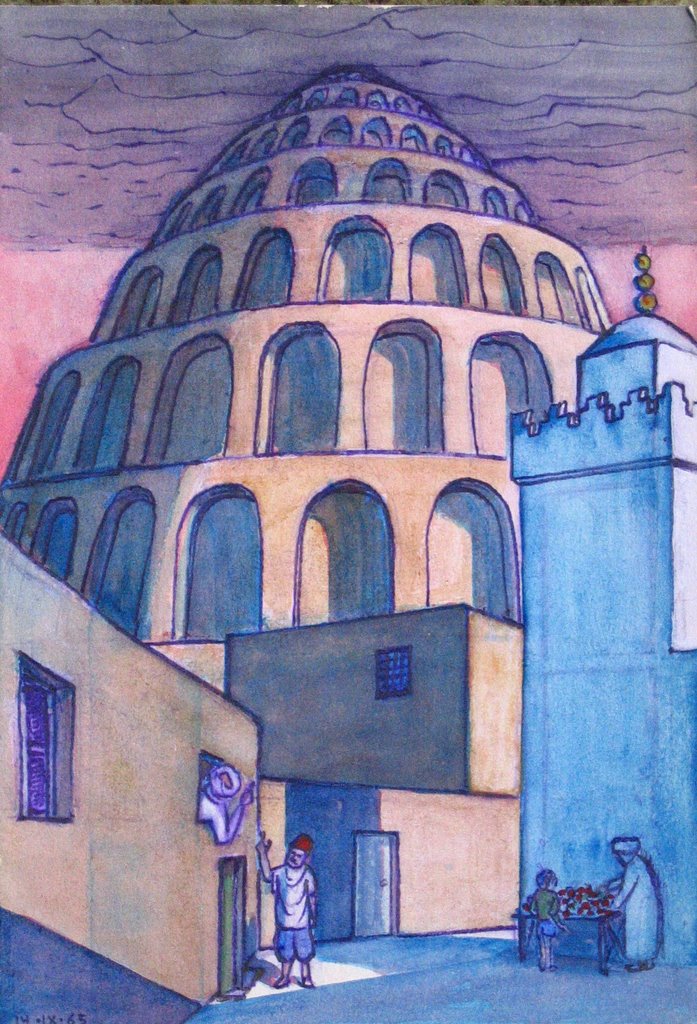
Friday, July 14, 2006
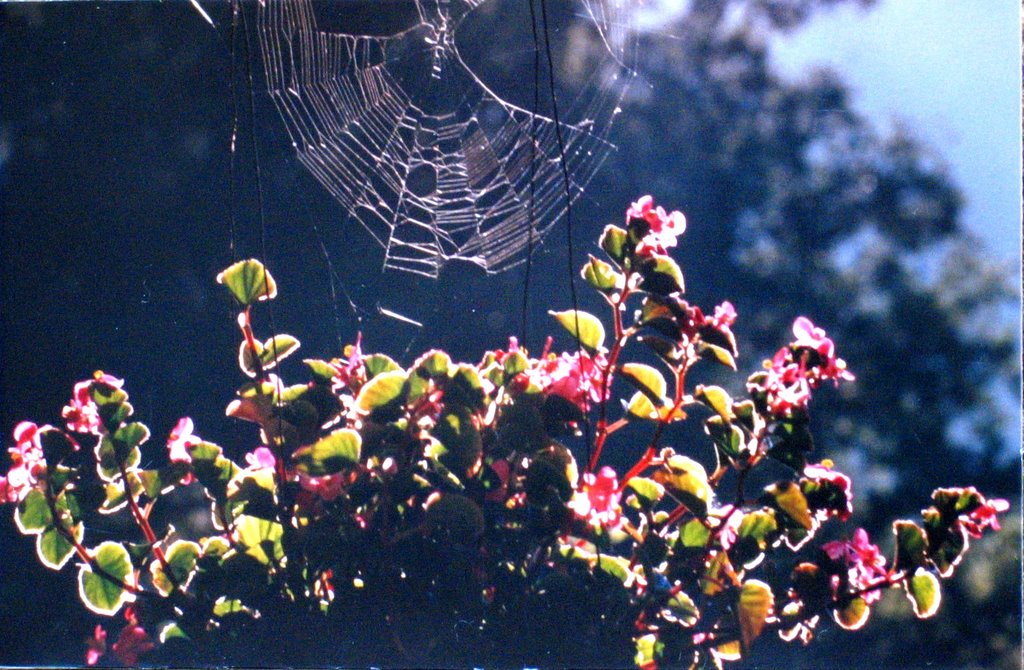
Thursday, July 13, 2006
JOURNEY TO THE EAST 5
My days in Inderpuri were scheduled down to the minute, with four daily meditation periods and two visits to the ashram, where Swamiji would talk, answer questions, and do a short meditation. One time, when I entered an unusually deep state of meditation, Swamiji extended the time till just after I came out of my blissful state. I had no doubt about his powers, but there were still things about him that bothered me. For instance I never heard him admit that any other being had reached a state of enlightenment comparable to his own, including the Buddha. And then there was something else. My friend Nick came by with his girlfriend Lena and with Tove, his mother, and when the two women told me of their private meetings with Swamiji they both independently looked beatified and said: “He set me in his lap!”
“He never set me in his lap,” I thought.
He recommended strict celibacy, and the couples who became his disciples all gave up their sex life. Years later it came out that he had slept with many of the young women. He was not the only guru who slept with his disciples, but it seemed to me that he was extra hypocritical about it. It caused a scandal and many disciples left. I definitely had a suspicion, but never the less I had a very high time the four months I was in Inderpuri.
Only it could not last.
My visa had been extended once, and when it expired again I had to leave. I decided to go to Nepal for a short while and then come back on a new visa. When I said good-bye to Swamiji his last words were: “Beware of Tantrics!” As it turned out, not knowing that the Tibetans were Tantrics, I became involved with them, and didn’t return to Swamiji.
When I saw him again, much later, on his first visit to Denmark, he treated me like he had never seen me before; he didn’t forgive me that I had neglected his advice and hadn’t come back.
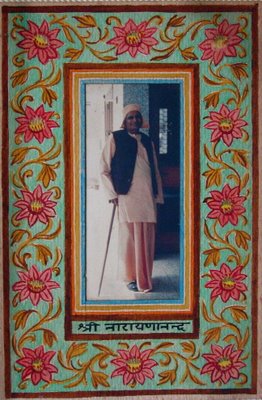
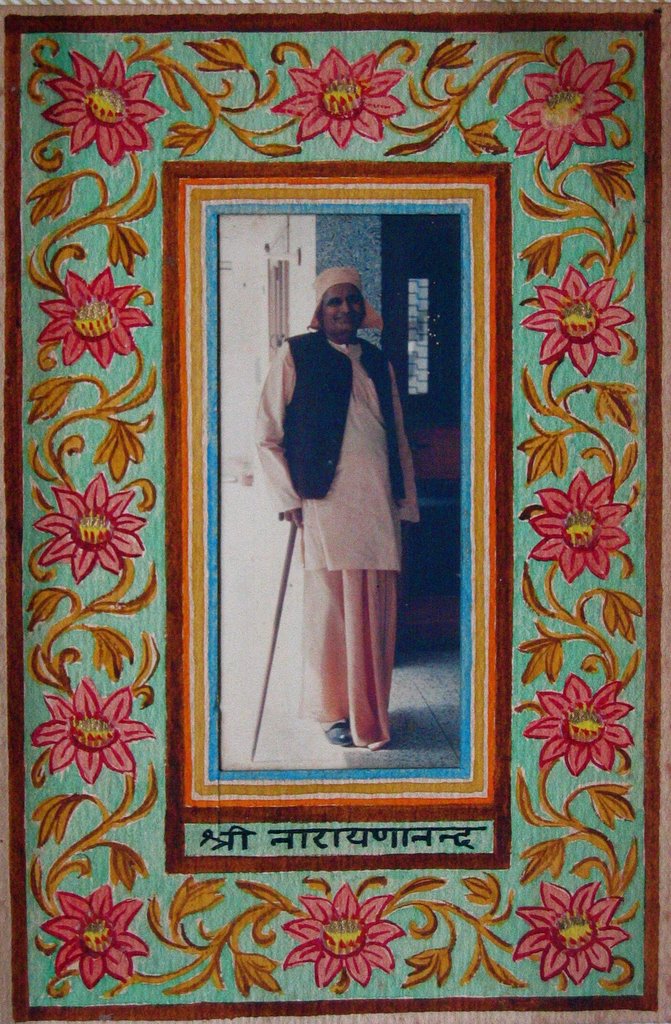
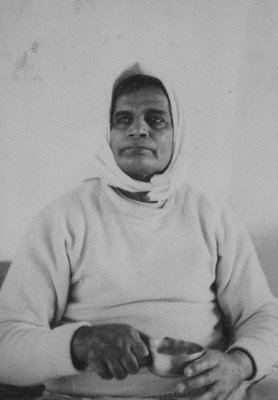 Swami Narayanananda
“He never set me in his lap,” I thought.
He recommended strict celibacy, and the couples who became his disciples all gave up their sex life. Years later it came out that he had slept with many of the young women. He was not the only guru who slept with his disciples, but it seemed to me that he was extra hypocritical about it. It caused a scandal and many disciples left. I definitely had a suspicion, but never the less I had a very high time the four months I was in Inderpuri.
Only it could not last.
My visa had been extended once, and when it expired again I had to leave. I decided to go to Nepal for a short while and then come back on a new visa. When I said good-bye to Swamiji his last words were: “Beware of Tantrics!” As it turned out, not knowing that the Tibetans were Tantrics, I became involved with them, and didn’t return to Swamiji.
When I saw him again, much later, on his first visit to Denmark, he treated me like he had never seen me before; he didn’t forgive me that I had neglected his advice and hadn’t come back.
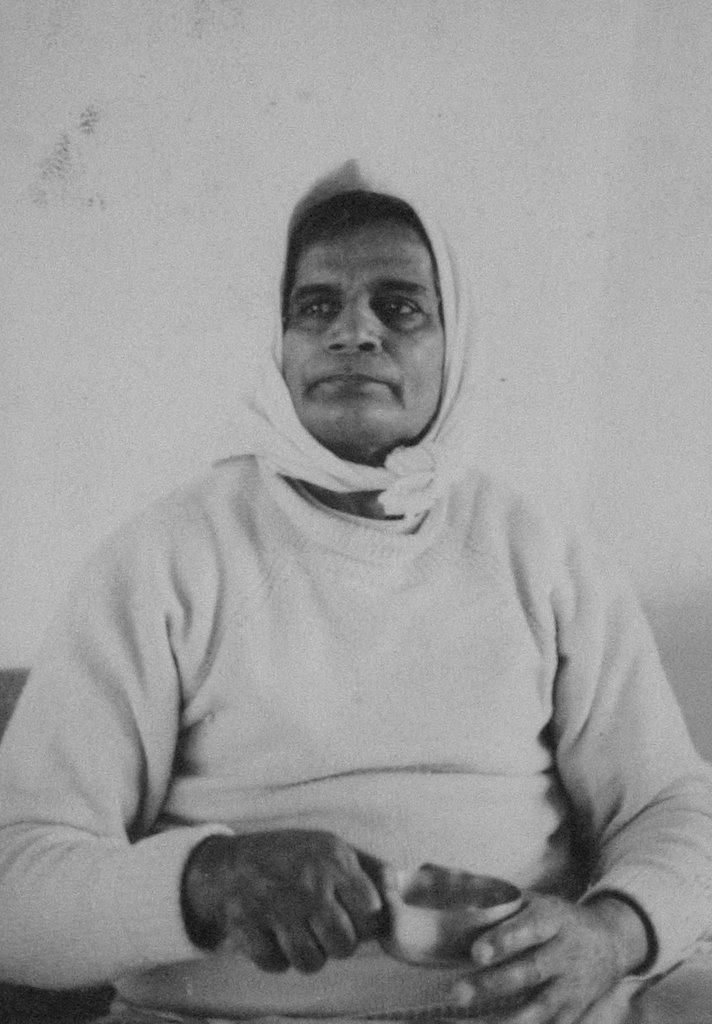 Swami Narayanananda
Wednesday, July 12, 2006

Tuesday, July 11, 2006
Template for Guru Rimpoche
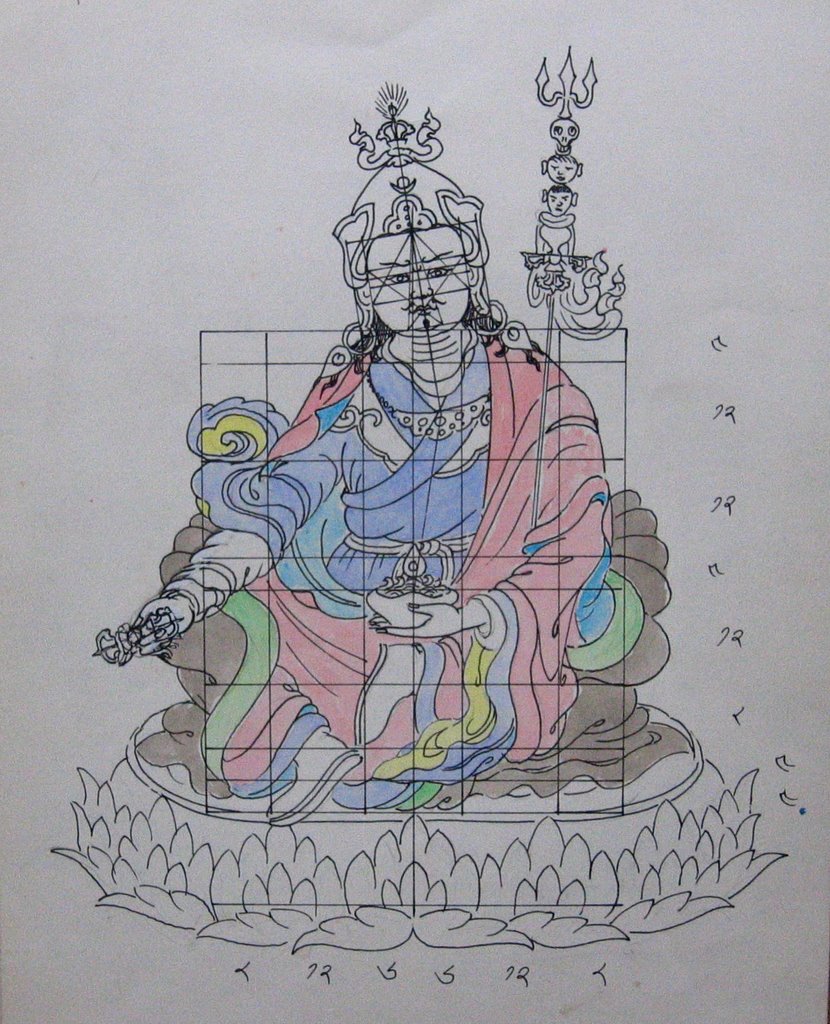 Padma Sambhava was important in bringing Buddhism to Tibet; he was a great magician and subdued the local spirits and turned them into protectors of the Buddha Dharma.
Sunday, July 09, 2006
JOURNEY TO THE EAST 4
Several of my Danish friends were disciples of Swami Narayanananda and I wanted to check him out. He had his ashram in a newly build section called Inderpuri, just out of New Delhi. Jytte was there, and Niller was there too, all dressed in white, and he explained how to go about it. On the ground floor of the ashram was the meditation room, and the Swami was sitting on a dais right inside the door. It was a tricky screen door, if you let go of it, it would slam closed behind you with a disconcerting sound like a shot, just as you were bowing to the holy man. I had been warned and closed it silently before greeting the Swami.
I could not doubt that this was a man of great power. He received me graciously while scrutinizing me with his intensely beautiful eyes that seemed to radiate love. I decided to stay for a while.
I found a room that I could move into in ten days time and decided in the meantime to go with a young Danish sadhu, John, on a trip to Rishikesh, a town of ashrams situated where the Ganges comes out of the mountains. Only sadhus are allowed to live in the town; the merchants have to go away at night. John said he knew of a place where we could stay as long as we wanted. It turned out to mean that he knew how to get the door open to a hut belonging to one of the big ashrams. We were sadhus, but even so the time for a visit to an ashram was limited to three days.
Wandering around among the ashrams, we were invited in at one place and offered tea, and they told us to come back next day for the celebration of the guru’s birthday. For this celebration, about three hundred people came. It was a mixed crowd with all from half naked sadhus smeared with ashes to New Delhi businessmen in suits with their obese wives in silken saris. We were seated in long rows on the ground and provided with plates made of leaves stuck together with toothpicks. The guru himself and his disciples served us, and with a grin the guru gave John and me extra big servings of sweetmeats.
At one side was an altar with pictures and flowers. Half way during the meal a sadhu arrived in only a loincloth and with his long matted hair wound into a crown on his head. He was conducted to the altar by the guru and installed there among the flowers, where he sat with a beatific expression without eating anything. One moment our eyes locked together; with a tiny smile and without words he invited me: “Here is your chance! Give up everything and come with me.” But I was not ready to go naked into the mountains.
Next day a young sadhu came and sat on ‘our’ porch. We offered him food and smoked with him, and he stayed the night. In the morning he had his little fire going and went through the ritual of smearing himself with ashes, and we offered him again food and smoke; it began to look like he was going to stay. After a couple of days John was tired of him and told him to leave, but the karmic retribution was swift; the morning after evicting the sadhu we were evicted ourselves. I was ready to go back to Inderpuri, but John wanted to stay. Before I left he offered me a lump of hash, but since I was to begin my ascetic life with Swami Narayanananda I declined. That turned out to be lucky, for at one bus stop near Delhi the police spotted me in the bus and came rushing in to search all my belongings. They had obviously been sure of a catch when they saw a hippie sadhu, and they retired crestfallen, excusing their behavior, since I had proven to be a serious sadhu, a man of God!
I could not doubt that this was a man of great power. He received me graciously while scrutinizing me with his intensely beautiful eyes that seemed to radiate love. I decided to stay for a while.
I found a room that I could move into in ten days time and decided in the meantime to go with a young Danish sadhu, John, on a trip to Rishikesh, a town of ashrams situated where the Ganges comes out of the mountains. Only sadhus are allowed to live in the town; the merchants have to go away at night. John said he knew of a place where we could stay as long as we wanted. It turned out to mean that he knew how to get the door open to a hut belonging to one of the big ashrams. We were sadhus, but even so the time for a visit to an ashram was limited to three days.
Wandering around among the ashrams, we were invited in at one place and offered tea, and they told us to come back next day for the celebration of the guru’s birthday. For this celebration, about three hundred people came. It was a mixed crowd with all from half naked sadhus smeared with ashes to New Delhi businessmen in suits with their obese wives in silken saris. We were seated in long rows on the ground and provided with plates made of leaves stuck together with toothpicks. The guru himself and his disciples served us, and with a grin the guru gave John and me extra big servings of sweetmeats.
At one side was an altar with pictures and flowers. Half way during the meal a sadhu arrived in only a loincloth and with his long matted hair wound into a crown on his head. He was conducted to the altar by the guru and installed there among the flowers, where he sat with a beatific expression without eating anything. One moment our eyes locked together; with a tiny smile and without words he invited me: “Here is your chance! Give up everything and come with me.” But I was not ready to go naked into the mountains.
Next day a young sadhu came and sat on ‘our’ porch. We offered him food and smoked with him, and he stayed the night. In the morning he had his little fire going and went through the ritual of smearing himself with ashes, and we offered him again food and smoke; it began to look like he was going to stay. After a couple of days John was tired of him and told him to leave, but the karmic retribution was swift; the morning after evicting the sadhu we were evicted ourselves. I was ready to go back to Inderpuri, but John wanted to stay. Before I left he offered me a lump of hash, but since I was to begin my ascetic life with Swami Narayanananda I declined. That turned out to be lucky, for at one bus stop near Delhi the police spotted me in the bus and came rushing in to search all my belongings. They had obviously been sure of a catch when they saw a hippie sadhu, and they retired crestfallen, excusing their behavior, since I had proven to be a serious sadhu, a man of God!
Friday, July 07, 2006

Thursday, July 06, 2006

Wednesday, July 05, 2006
JOURNEY TO THE EAST 3
(Scroll down to read the first two accounts of The Journey to the East)
After two weeks in Herat we went to Kandahar. Here Ananda got sick and couldn’t hold anything in. I was frightened, one night he looked so thin and greenish that I thought he might die. I remembered how I had heard that prechewed food was the most digestible, and I asked Gisela if she would mind me chewing food for him, and she said that was OK with her. Next morning, as I cut me a piece of bread in the room where he was lying, he started screaming. It was like he knew what was in my mind and I chewed some bread thoroughly and gave it to him. He sucked it off my finger eagerly and then screamed for more. I chewed and fed him until he was satisfied and from that moment his recovery was rapid.
We made an excursion to a shady park next to a dry riverbed. I took acid there and was sitting in meditation when I felt an urge to open my eyes. I front of me stood a half circle of Afghans, all looking at me. I was stunned for a moment, but then I smiled and immediately they smiled back and with signs invited me to join them. I sat with them around a big red Afghan rug, just like the one in my childhood home. They were good to be with, no trips, no words necessary, just this row of shining black eyes and friendly smiles.
In Kabul I spend hours everyday in the hotel’s pleasant garden working on my translation. It is strange to think how this place of medieval peace a few years later was brutally catapulted into the twentieth century, in a war that forever destroyed the old Afghanistan.
We left Kabul after two weeks and went through the Kyber pass to Pakistan. Now Mother India was calling strongly, and we didn’t tarry in Pakistan. At the Indian frontier the Pakistani police officer found fault with Jytte’s passport, but we had learned to be philosophical about that kind of problems. We sat down, tea was ordered, and soon we were on friendly terms. After half an hour the police officer was satisfied; he took Jytte’s passport and stamped it without any commentary, and we were free to cross the border.
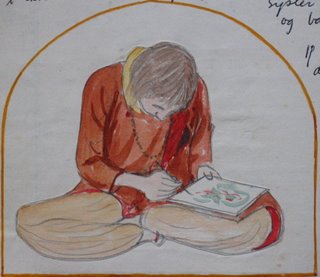
I don’t know how much of the exhilaration was due to the fact that we finally had reached the goal of our voyage, how much due to the actual atmosphere of the place, but I remember the feeling of relaxing into the embrace of this mild countryside as we walked towards the little border town. From there we went to New Delhi, and my first destination was my friend Fut (picture), whom I had originally planned to go to India with. He had preceded me and was now living in an ashram in the Himalayan foothills by Nanital. Niller and Sander wanted to come with me, while the women had their own plans.
 Arrived in Nanital we asked for directions and were pointed to a mountain ridge: up there over the edge. The boys set out in a brisk tempo and were soon lost from sight. I took it step by step, slowly, and before I reached the top I came upon the two, panting and exhausted, taking a rest. The impetuosity of youth! As it were, they went down the mountain the very next day, and Sander I didn’t see again in India.
Fut’s ashram had a great view of the Himalayan range, and his guru welcomed me eagerly - a little too eagerly for my taste! He had great plans for enlarging his ashram to receive more Westerners; it smelled of money more than of the Spirit. I decided it was not what I was looking for, and after having rested for a couple of weeks after the hardships of traveling, I took leave of Fut and his scheming guru and returned to New Delhi.
After two weeks in Herat we went to Kandahar. Here Ananda got sick and couldn’t hold anything in. I was frightened, one night he looked so thin and greenish that I thought he might die. I remembered how I had heard that prechewed food was the most digestible, and I asked Gisela if she would mind me chewing food for him, and she said that was OK with her. Next morning, as I cut me a piece of bread in the room where he was lying, he started screaming. It was like he knew what was in my mind and I chewed some bread thoroughly and gave it to him. He sucked it off my finger eagerly and then screamed for more. I chewed and fed him until he was satisfied and from that moment his recovery was rapid.
We made an excursion to a shady park next to a dry riverbed. I took acid there and was sitting in meditation when I felt an urge to open my eyes. I front of me stood a half circle of Afghans, all looking at me. I was stunned for a moment, but then I smiled and immediately they smiled back and with signs invited me to join them. I sat with them around a big red Afghan rug, just like the one in my childhood home. They were good to be with, no trips, no words necessary, just this row of shining black eyes and friendly smiles.
In Kabul I spend hours everyday in the hotel’s pleasant garden working on my translation. It is strange to think how this place of medieval peace a few years later was brutally catapulted into the twentieth century, in a war that forever destroyed the old Afghanistan.
We left Kabul after two weeks and went through the Kyber pass to Pakistan. Now Mother India was calling strongly, and we didn’t tarry in Pakistan. At the Indian frontier the Pakistani police officer found fault with Jytte’s passport, but we had learned to be philosophical about that kind of problems. We sat down, tea was ordered, and soon we were on friendly terms. After half an hour the police officer was satisfied; he took Jytte’s passport and stamped it without any commentary, and we were free to cross the border.
I don’t know how much of the exhilaration was due to the fact that we finally had reached the goal of our voyage, how much due to the actual atmosphere of the place, but I remember the feeling of relaxing into the embrace of this mild countryside as we walked towards the little border town. From there we went to New Delhi, and my first destination was my friend Fut (picture), whom I had originally planned to go to India with. He had preceded me and was now living in an ashram in the Himalayan foothills by Nanital. Niller and Sander wanted to come with me, while the women had their own plans.
 Arrived in Nanital we asked for directions and were pointed to a mountain ridge: up there over the edge. The boys set out in a brisk tempo and were soon lost from sight. I took it step by step, slowly, and before I reached the top I came upon the two, panting and exhausted, taking a rest. The impetuosity of youth! As it were, they went down the mountain the very next day, and Sander I didn’t see again in India.
Fut’s ashram had a great view of the Himalayan range, and his guru welcomed me eagerly - a little too eagerly for my taste! He had great plans for enlarging his ashram to receive more Westerners; it smelled of money more than of the Spirit. I decided it was not what I was looking for, and after having rested for a couple of weeks after the hardships of traveling, I took leave of Fut and his scheming guru and returned to New Delhi.
Tuesday, July 04, 2006

Monday, July 03, 2006

Sunday, July 02, 2006

Saturday, July 01, 2006
JOURNEY TO THE EAST 2
In Iran it was not advisable to smoke. We were clean; not taking any risks, and went directly through on busses with only the necessary stops in Teheran and Mashad. When we arrived at the longed for border of Afghanistan, it was past closing time. It was the night of the full moon, two weeks after our departure, and the frontier guards offered us smoke, so that when I bedded down outside the frontier post I was immensely high and happy. I discovered that I could change my perception at will, back and forth between a picture and a pattern, whether my eyes were open or closed.
We stayed two weeks in Herat. Most transportation seemed to be by horse drawn gigs, and since all the horses wore small bells there was a constant tinkling in the air. We began to make acquaintance with other travelers that we had already seen here and there on the way. For work, I had brought with me another book to translate: The Secret of the Golden Flower. I like translating because one is forced to penetrate the text with deep understanding. For the same reason it is only a few special books I would want to translate. The pleasant balance between social life and inspiring work continued.

I took long walks around; Herat was not so much a town as a big village. One day I heard music with drums and by following the sound I came to a house. From the outside it was just a long wall with a gate in the middle, but as I reached the gate people came out and asked me in for a wedding. Inside was a big courtyard with musicians, dancers, and guests. In one end there was an open porch where the bride and groom and the close family were seated. I was given food and then invited to queue up outside a small room in a corner. It contained an enormous water pipe that a little old guy was firing up with much coughing. The queue moved in and each one took a hit and went back out to join the end of the queue, so that the queue became a circle that continued until the pipe was finished. Now the master dancer challenged me to dance, and I locked onto him. I was able to follow him step for step, and he got wilder and wilder and finally tore his shirt off, but that I didn’t want to follow because I didn’t want to show my money belt. The dance was over, but everybody was satisfied, and I was offered food before I left.
We stayed two weeks in Herat. Most transportation seemed to be by horse drawn gigs, and since all the horses wore small bells there was a constant tinkling in the air. We began to make acquaintance with other travelers that we had already seen here and there on the way. For work, I had brought with me another book to translate: The Secret of the Golden Flower. I like translating because one is forced to penetrate the text with deep understanding. For the same reason it is only a few special books I would want to translate. The pleasant balance between social life and inspiring work continued.

I took long walks around; Herat was not so much a town as a big village. One day I heard music with drums and by following the sound I came to a house. From the outside it was just a long wall with a gate in the middle, but as I reached the gate people came out and asked me in for a wedding. Inside was a big courtyard with musicians, dancers, and guests. In one end there was an open porch where the bride and groom and the close family were seated. I was given food and then invited to queue up outside a small room in a corner. It contained an enormous water pipe that a little old guy was firing up with much coughing. The queue moved in and each one took a hit and went back out to join the end of the queue, so that the queue became a circle that continued until the pipe was finished. Now the master dancer challenged me to dance, and I locked onto him. I was able to follow him step for step, and he got wilder and wilder and finally tore his shirt off, but that I didn’t want to follow because I didn’t want to show my money belt. The dance was over, but everybody was satisfied, and I was offered food before I left.
Friday, June 30, 2006
Thursday, June 29, 2006
Wednesday, June 28, 2006
JOURNEY TO THE EAST 1

A traveling party of six left for India with the Orient express on the day of the new moon the 11th. September 1969. They were two musicians, Sander and Niller, two young women, Jytte and Giesela, Giesela’s 10 months old son, Ananda, and I.
First stop was Istanbul. Niller and I went to the Blue Mosque, where we sat down to meditate. It was a surprise when passing people tossed money in front of us.
On the train through Turkey, a farmer in his best clothes who had been visiting the capital adopted us. He got us a compartment and kept everyone out that he deemed unfit company for us. Ananda was a great hit and in spite of our protector he was kidnapped for many hours and was brought back, spoilt but happy.
 In Erzurum, the frontier town, we stood outside the station among a crowd of other traveling hippies when a big luxurious car stopped. The well-dressed young man driving the car asked if we wanted a hotel. He told us that he owned a hotel, cheap and clean, and if we were interested he would take us there. We all squeezed into the car, and went to the hotel, which lived up to his promise. He then asked us if we would like to go to a hot spring that night for dinner and a soak. When Niller offered to baby-sit, we accepted the invitation.
 The young man was not alone when he picked us up; a big, swarthy, unsmiling guy was with him. As we left the town and sped through the desert along a dark lonely road, we were suddenly all caught by the same paranoia. We looked at each other and we realized how easily Sander and I could be disposed of, and Jytte and Gisela be at the mercy of these two unknown Turkish men. We were afraid even to talk about it because our host spoke English; instead we silently started praying.
 Finally a complex of houses with lights turned up and the car turned in and parked. The hot spring was real enough, and we had a delicious dinner. When we declined to drink we were offered big joints. We had more or less overcome the paranoia but now a cause for concern turned up: the bathing separated Sander and me from the girls; we were alone in a room with a rather big pool and did not know where they were. In order to keep our spirits up we started to sing OM and it echoed loudly in the bare room. Suddenly our host came in and hushed us. We got out of the water, and he led us to a dressing room where the girls also were. He showed us a golden tablet with a surah (a chapter) from the Koran that he wore on a chain around his neck and he assured us that we had nothing to fear, he was a true Muslim and was in love with Jytte and would never hurt her. As the girls told afterwards, he had come into their bathroom buck naked, but just then our OM started to resound through the building, and he had left to stop us. The next day when we passed the frontier he was sitting there in a café to get a last glimpse of his beloved Jytte, who, typically Danish and attractively blonde, had completely turned his head.
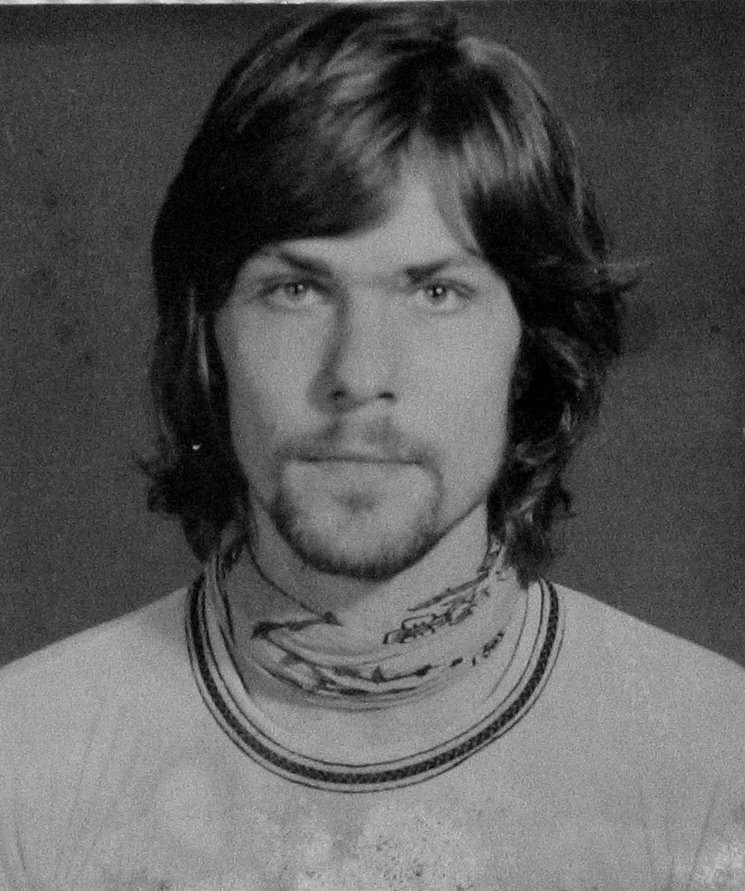
The pictures from the top down: Jytte, Gisela, Sander, me and Niller.
Tuesday, June 27, 2006

Monday, June 26, 2006

Sunday, June 25, 2006
Marriage
At a friend’s house I met Lise Winter who set out to seduce me. She was nineteen and not shy and I was not difficult to get. She moved in with me but that was not enough for her. She wanted to be free from the influence of her parents who lived in Odense, and nothing less than marriage would do. I was not averse to it; we had good sex and got along well, and In some way I still expected that my life could become ‘normal’.
She put me on the phone with her father and he said: “I hear you want to get married. We should set a date.” I was taken aback but then I thought if I am ever going to get married then it’s now. We set a date about a month later and Lise, who had first opted for a secular wedding, changed her mind and wanted a church wedding.
I was invited to visit in Odense and here were signs that should have warned me. Lise had some reactions to her parents; she was picking at her hair and didn’t answer when spoken to. I had not seen her like that before, but it was only momentarily and in general we had a good time. Her little brother at sixteen was very attractive. We dressed him up in her clothes and took him out for a walk in town. Her father was distant and seemed nervous, but I got along very well with my future mother-in-law. All in all, the visit was a success and we went on with the plans.
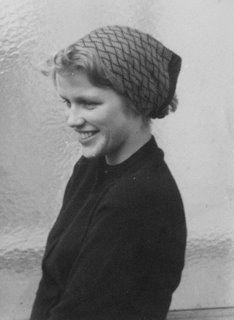 The wedding was a big affair and we went off to Skagen, the northernmost tip of Jutland, where some friends of her parents had lent us their summerhouse for the honeymoon. Already the third day Lise showed signs of distress. She tore out hair after hair and would not speak. Day by day it got worse and all means of communication fell short. I even smacked her once, not in anger, but as a frustrated attempt at getting through to her. When she finally talked, it was to say: “I don’t love you anymore and I want to go home.” I had had it by then and was content to set her on the train the next morning. Peter Steen, a young aspiring actor, came a day later to keep me company and we bicycled the 200 miles home together. Passing Odense I had a talk with Lise’s father. She had told him that I was gay, as if it was something that had been revealed after the marriage. She was pregnant and threatened to take her own life if he didn’t help her with an abortion. He was a doctor and had connections and the abortion had already been performed. He suggested that we file for divorce and I agreed; at this point all I wanted was to get out of the marriage.
A year later Lise put out a feeler through a friend; she wanted us to get back together, but I had had enough and we continued our separation until we were granted a divorce. By that time she was pregnant again and wanted the child but not the father. That was the last I heard of her.
She put me on the phone with her father and he said: “I hear you want to get married. We should set a date.” I was taken aback but then I thought if I am ever going to get married then it’s now. We set a date about a month later and Lise, who had first opted for a secular wedding, changed her mind and wanted a church wedding.
I was invited to visit in Odense and here were signs that should have warned me. Lise had some reactions to her parents; she was picking at her hair and didn’t answer when spoken to. I had not seen her like that before, but it was only momentarily and in general we had a good time. Her little brother at sixteen was very attractive. We dressed him up in her clothes and took him out for a walk in town. Her father was distant and seemed nervous, but I got along very well with my future mother-in-law. All in all, the visit was a success and we went on with the plans.
 The wedding was a big affair and we went off to Skagen, the northernmost tip of Jutland, where some friends of her parents had lent us their summerhouse for the honeymoon. Already the third day Lise showed signs of distress. She tore out hair after hair and would not speak. Day by day it got worse and all means of communication fell short. I even smacked her once, not in anger, but as a frustrated attempt at getting through to her. When she finally talked, it was to say: “I don’t love you anymore and I want to go home.” I had had it by then and was content to set her on the train the next morning. Peter Steen, a young aspiring actor, came a day later to keep me company and we bicycled the 200 miles home together. Passing Odense I had a talk with Lise’s father. She had told him that I was gay, as if it was something that had been revealed after the marriage. She was pregnant and threatened to take her own life if he didn’t help her with an abortion. He was a doctor and had connections and the abortion had already been performed. He suggested that we file for divorce and I agreed; at this point all I wanted was to get out of the marriage.
A year later Lise put out a feeler through a friend; she wanted us to get back together, but I had had enough and we continued our separation until we were granted a divorce. By that time she was pregnant again and wanted the child but not the father. That was the last I heard of her.
Saturday, June 24, 2006

Friday, June 23, 2006
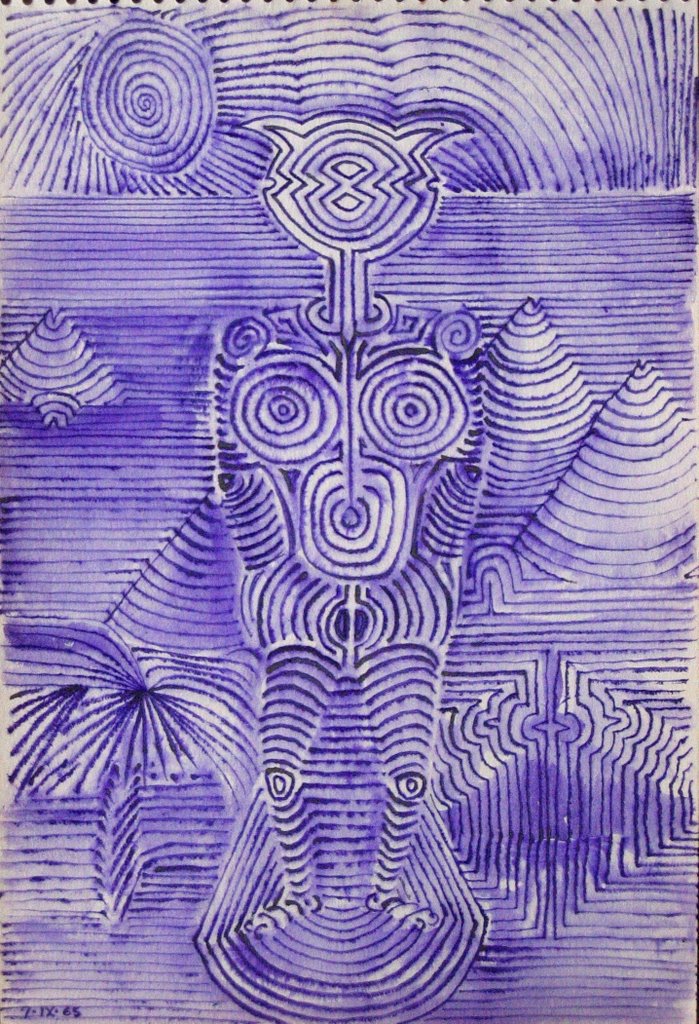
Untitled
 The sketch was made on Adobe photoshop and the actual painting done with crayons and oil pastel on watercolor paper.
Thursday, June 22, 2006
First Time Drumming
I told you how I smoked kif the first time. I liked it so much, that I asked for more and I got some.
One night at Cafe Tokanten I met a young mason, Benny Andersen, and we had a couple of beers and talked. I invited him to come home and smoke with me. I had a guitar in my room, and we started drumming on it, sitting both on my bed in the dark. We went on and on, weaving our rhythms together for hours until a sleepless neighbor begged us to stop. I had never drummed before, and it was a revelation of unity and music; also it was the first time I had really connected with a working class person, and he belied the class conscious stereotyped picture I had formed of a worker; he had the same fresh intelligence I had admired in the Africans. But again, he was not gay! It was difficult to find a person that could satisfy both sides of my nature; I seemed to always fall for straight guys, and I was too shy to even find out if maybe --? So at these times I slipped back into the closet, and reverted to the platonic love that I was so familiar with.
One night at Cafe Tokanten I met a young mason, Benny Andersen, and we had a couple of beers and talked. I invited him to come home and smoke with me. I had a guitar in my room, and we started drumming on it, sitting both on my bed in the dark. We went on and on, weaving our rhythms together for hours until a sleepless neighbor begged us to stop. I had never drummed before, and it was a revelation of unity and music; also it was the first time I had really connected with a working class person, and he belied the class conscious stereotyped picture I had formed of a worker; he had the same fresh intelligence I had admired in the Africans. But again, he was not gay! It was difficult to find a person that could satisfy both sides of my nature; I seemed to always fall for straight guys, and I was too shy to even find out if maybe --? So at these times I slipped back into the closet, and reverted to the platonic love that I was so familiar with.
Wednesday, June 21, 2006
Tuesday, June 20, 2006
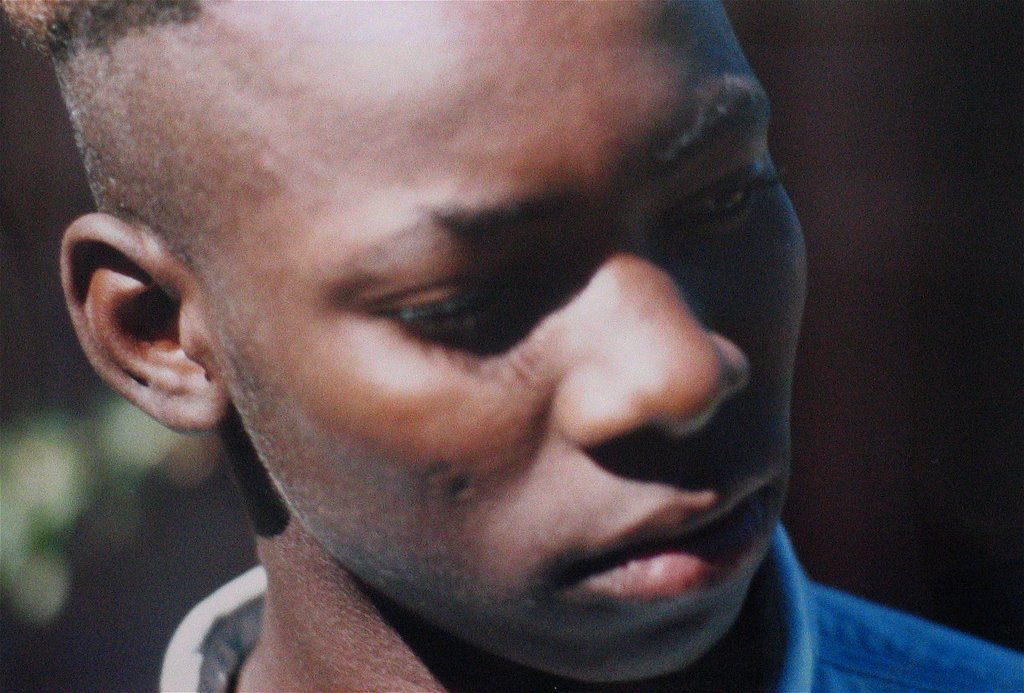
Geshe Gyatso & his Translator
 Sometime in the late eighties I travelled to Santa Barbara with Geshe Gyatso and his translator and afterwards I made this drawing.
Monday, June 19, 2006
The French Connection
When I was in the fifth grade a new boy, Georges Manceron, was introduced in our class. He was French and the teacher asked us to help him learn Danish by pointing to things and saying their name in Danish. Right away I pointed to one of the boys and said: “Idiot”, not realizing that it was the same in French, but Georges laughed and this started off our friendship. He was son of the French ambassador and I became a frequent visitor in the solemn French embassy on Kongens Nytorv. Unfortunately it lasted only a year before the ambassador returned to France; I think the reason was ill health, because he died shortly after.
I kept the connection with Georges through correspondence and in 1938, when I was thirteen, my mother, my aunt Eva and I went to France for the summer holidays. We entered the valley of Chamonix from Switzerland and passed a couple of days within view of Mont Blanc. I loved the mountains but most of all a small stream where I passed the days building canals and dams.
We had brought our bicycles and enjoyed an endless downhill ride to Annecy where we were invited to visit the Mancerons in their summer residence. I was astonished by the table manners of this high-class French family: Georges’ grandmother dipping an enormous sandwich of baguette with butter and jam into her bowl of café au lait and sucking it into her mouth with a slurping sound. I realized the relativity of table manners and it pleased me.
After Annecy we toured the Loire on our bicycles; then we went to Mont St. Michel and St. Malo, a medieval town on the coast that was completely destroyed during the invasion five years later. The end of the holiday we passed in Paris where the Mancerons lent us their apartment on rue Medecis with a view of the Jardin de Luxembourg. I fell in love with Paris and everything French and when later I began to travel France was my first destination.
I kept the connection with Georges through correspondence and in 1938, when I was thirteen, my mother, my aunt Eva and I went to France for the summer holidays. We entered the valley of Chamonix from Switzerland and passed a couple of days within view of Mont Blanc. I loved the mountains but most of all a small stream where I passed the days building canals and dams.
We had brought our bicycles and enjoyed an endless downhill ride to Annecy where we were invited to visit the Mancerons in their summer residence. I was astonished by the table manners of this high-class French family: Georges’ grandmother dipping an enormous sandwich of baguette with butter and jam into her bowl of café au lait and sucking it into her mouth with a slurping sound. I realized the relativity of table manners and it pleased me.
After Annecy we toured the Loire on our bicycles; then we went to Mont St. Michel and St. Malo, a medieval town on the coast that was completely destroyed during the invasion five years later. The end of the holiday we passed in Paris where the Mancerons lent us their apartment on rue Medecis with a view of the Jardin de Luxembourg. I fell in love with Paris and everything French and when later I began to travel France was my first destination.
Babacar
 My friend Noël moved into the house in the back with her two kids, Eva and Babacar. Eva had her one year birthday party yesterday and we ended up on the beach where Babacar was buried in the sand.
Saturday, June 17, 2006

Friday, June 16, 2006

Thursday, June 15, 2006

Wednesday, June 14, 2006

Tuesday, June 13, 2006
A Cat Story
In 1971 I was living in Lama Yeshe’s center in Kopan. Zina, the one who had started the center, had two young cats, Njima (Sun) and Dawa (Moon) who were brother and sister. At night she kept them in a cage. I thought that was cruel, for cats like to roam at night. When I mentioned it to her, she said that I could take care of them, and so they moved in with me.
Njima, the black boy-cat, followed me around, always running across my path right in front of me. He tried to make out with his sister, but she did not allow him; she had a boyfriend, a big red tomcat that was only glimpsed now and then around the house. One night I was sitting very stoned in my room with Frances, an English girl, and the two cats began their erotic play in front of us, or rather: Njima approached Dawa who was in my lap and tried to subdue her by biting her neck but when he almost had got hold of her she wrenched herself lose and clawed at him, and he jumped aside and sat, quiet and dignified, as if he had never even thought of doing anything. It was a spectacle, and it went on for a long time.
The red tomcat got Dawa pregnant. One night when I was asleep she came and laid on top of me. I tried to shake her off but she was persistent and suddenly I heard a bleat. I lit a candle and saw that she was giving birth on top of me. I arranged a pillow for her in the corner next to my own pillow where she could feel safe without bothering me. The first couple of weeks this was her nest and whenever I laid in my bed I became a member of the little family. It was totally clean; as long as the kittens drank mother’s milk she would take care of all their excretions.
Njima disappeared and for a month his fate was a mystery, but then something dropped from the roof in the room of the Buddhist monk, Zengo, and hit him in the face. A worm! A search in the attic turned up the source of the worm: Njima's corpse.
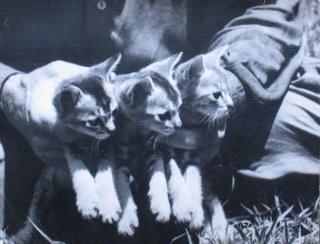 Dawa had three kittens and when they grew up and began to shit in my room I closed the cat door and denied them admission. One night there was a commotion in the attic where Njima had found his death. This was not the building that I lived in, but we all heard it. Later that night Dawa came by and begged to be let in, but I would not let her because of the kittens. Finally she gave up and left and she didn’t show herself for a couple of days. When the attic was investigated next day two of the three kittens were found dead. We realized that a bobcat hung out in the attic and had killed them and had also killed Njima. When I understood what had happened, I felt so bad that I had denied Dawa refuge in my room.
She was now alone with one kitten and this one was promised to Kelsang, the cook, who was a boy of thirteen. When he claimed it and the kitten was old enough I had to give it to him. After the kitten was gone Dawa was looking around for him, and then it happened that someone brought a kitten of similar size and looks a few days later. This kitten was in my room when Dawa came in and she obviously thought that she had found her lost son. She went up to him and they sniffed noses and she realized her mistake. She hissed and left, and since that day she would not be in the same room with the kitten; if he came in she would get up and leave. I felt terribly guilty, but before long both Dawa and the kitten disappeared and the bobcat had his territory to himself.
No more cats at Kopan.
Njima, the black boy-cat, followed me around, always running across my path right in front of me. He tried to make out with his sister, but she did not allow him; she had a boyfriend, a big red tomcat that was only glimpsed now and then around the house. One night I was sitting very stoned in my room with Frances, an English girl, and the two cats began their erotic play in front of us, or rather: Njima approached Dawa who was in my lap and tried to subdue her by biting her neck but when he almost had got hold of her she wrenched herself lose and clawed at him, and he jumped aside and sat, quiet and dignified, as if he had never even thought of doing anything. It was a spectacle, and it went on for a long time.
The red tomcat got Dawa pregnant. One night when I was asleep she came and laid on top of me. I tried to shake her off but she was persistent and suddenly I heard a bleat. I lit a candle and saw that she was giving birth on top of me. I arranged a pillow for her in the corner next to my own pillow where she could feel safe without bothering me. The first couple of weeks this was her nest and whenever I laid in my bed I became a member of the little family. It was totally clean; as long as the kittens drank mother’s milk she would take care of all their excretions.
Njima disappeared and for a month his fate was a mystery, but then something dropped from the roof in the room of the Buddhist monk, Zengo, and hit him in the face. A worm! A search in the attic turned up the source of the worm: Njima's corpse.
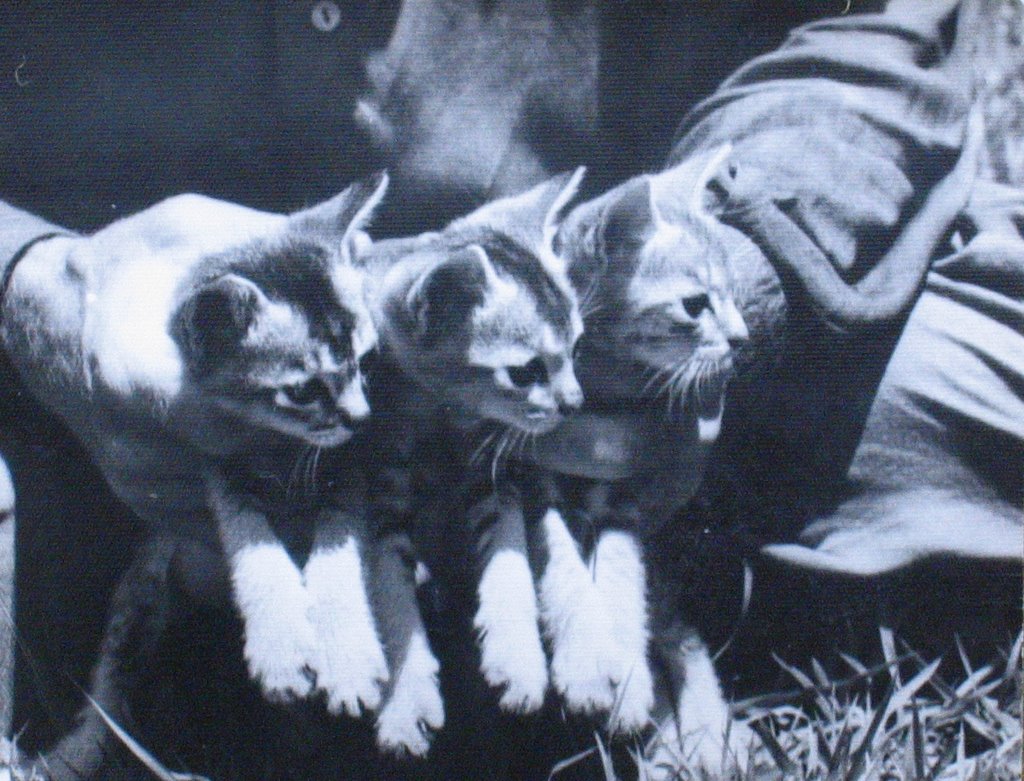 Dawa had three kittens and when they grew up and began to shit in my room I closed the cat door and denied them admission. One night there was a commotion in the attic where Njima had found his death. This was not the building that I lived in, but we all heard it. Later that night Dawa came by and begged to be let in, but I would not let her because of the kittens. Finally she gave up and left and she didn’t show herself for a couple of days. When the attic was investigated next day two of the three kittens were found dead. We realized that a bobcat hung out in the attic and had killed them and had also killed Njima. When I understood what had happened, I felt so bad that I had denied Dawa refuge in my room.
 She was now alone with one kitten and this one was promised to Kelsang, the cook, who was a boy of thirteen. When he claimed it and the kitten was old enough I had to give it to him. After the kitten was gone Dawa was looking around for him, and then it happened that someone brought a kitten of similar size and looks a few days later. This kitten was in my room when Dawa came in and she obviously thought that she had found her lost son. She went up to him and they sniffed noses and she realized her mistake. She hissed and left, and since that day she would not be in the same room with the kitten; if he came in she would get up and leave. I felt terribly guilty, but before long both Dawa and the kitten disappeared and the bobcat had his territory to himself.
No more cats at Kopan.
Monday, June 12, 2006
Template for Vajrapani
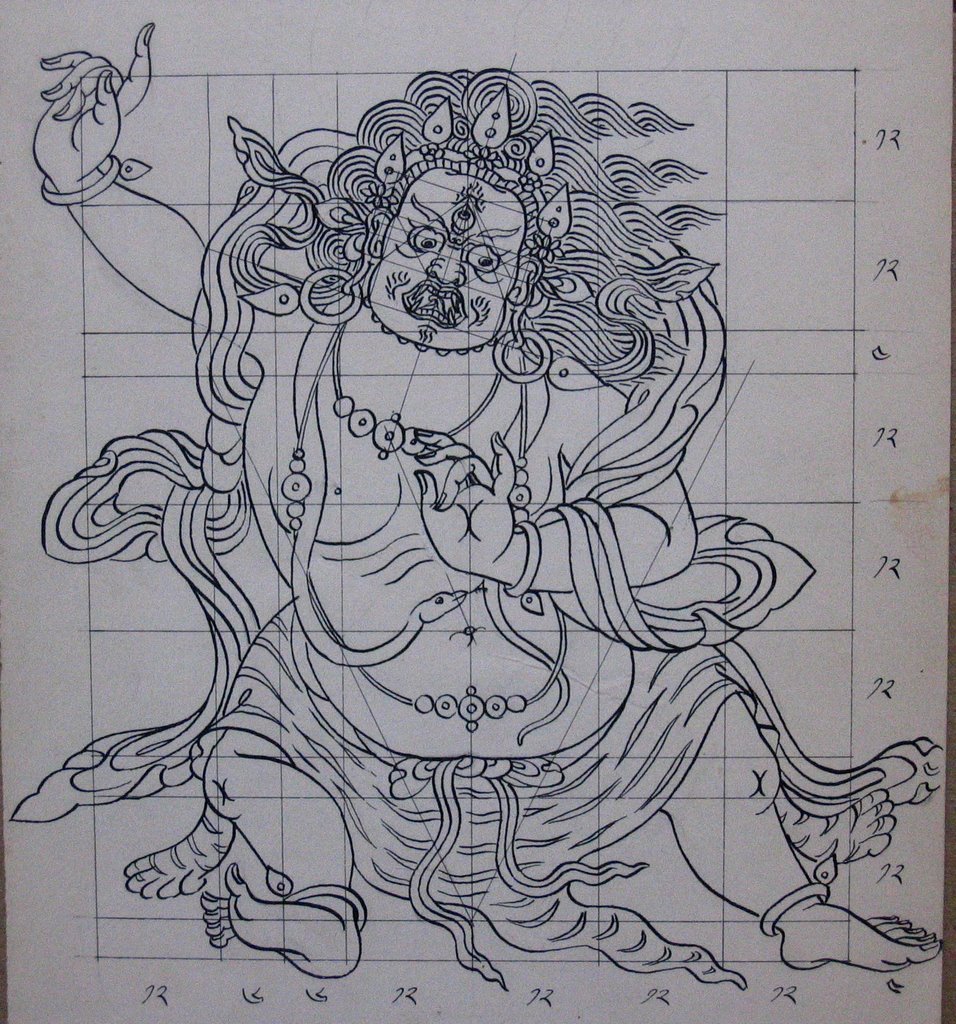 In the Tibetan Buddhist tradition there are three main bodhisattvas: Chenrezig, Manjushri and Vajrapani embodying the qualities of respectively Compassion, Wisdom and Strength.
Sunday, June 11, 2006
Saturday, June 10, 2006

Friday, June 09, 2006
Ole
My friend Ebbe was a dentist. One Sunday he phoned.
“I picked this guy up the other day,” he said. “He had just come out of Vestre prison and had nowhere to stay, so I let him stay here. He asked me if I would fix his friend’s teeth, and they are coming today, and now I am a little nervous about being alone with them in the apartment, for I have quite some gold in the clinic. You know, I don’t really think they will do anything, but if you could come and be here I would feel better.”
“Sure, I can come. I’ll dress in my leather jacket and look tough, and I’ll be there in half an hour.”
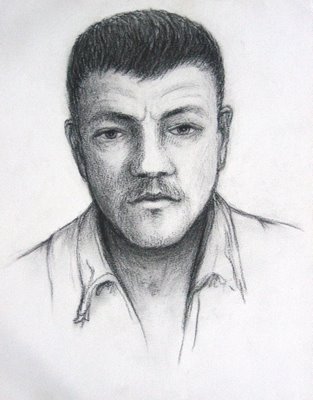
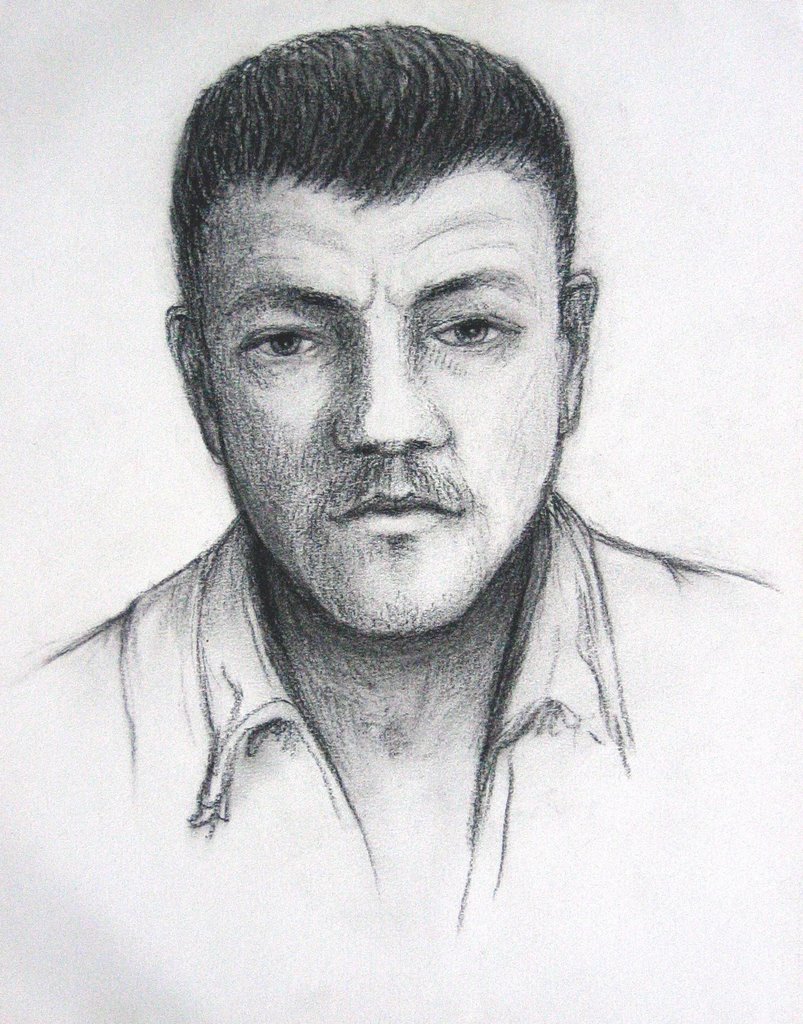
In no time I was on my bicycle, but when I arrived at Ebbe’s apartment the guy, Ole, was already there. He was standing in the clinic looking out the window, and when I came in to say hello he turned around. He was about my height with pale translucent skin and a red mouth. His nose had been broken, but what caught me were his eyes: rich light brown irises in porcelain white, accentuated by dark surroundings and finely drawn arched eyebrows. Their expression was innocent with a dog-like sadness. He took my hand and smiled and I totally forgot to look tough! There was radiance about him.
His friend arrived, and while Ebbe worked on his teeth Ole and I talked. He told me what I already knew, that he had been in prison, but he told more about his life: his father was a criminal, his mother dead; he had lived in foster homes and had been a junky and a male prostitute. I asked him if he still would go to bed with a man, and he said: “Yes, if it was a really good friend.” Then and there I decided to become his good friend.
When the teeth were done, we all had tea together, and Ole said that he had nowhere to stay. I was leaving for Paris in two days, so I said he could stay at my place for two weeks while I was away. His friend gasped: “Oh, no!” That was disconcerting, but I had said it. It was too late to retract. We agreed that Ole should come the next day, and I would show him the ropes.
When I came back from Paris Ole was not there.
My room was in a state. Have you ever seen a junkie’s den? The dirty bedclothes were all over the floor with blood stains, glasses with white residue, sooted spoons and candle drippings, plates with old dry bits of food, ashes, and cigarette butts, - and everything of value gone: art books, records, and my best clothes.
I had hardly time to react to the sight when the phone rang. It was Ole!
“How does your room look?” he asked.
“Pretty bad!” I said.
“I was at the hospital for detoxification this last week, my friends must have gotten in. They must have found the key. Can I come and help you?”
“Yes, you can come.”
So, there he was again, and together we got the room back in shape. I wasn’t sure if he was telling the truth, but it didn’t matter.
I met him from time to time at Ebbe’s apartment. About a month later he came to me. He was caught up in drugs again and wanted me to help him get off. He had a bottle of opium tincture, and we measured it up in diminishing doses to withdraw over a period, and he moved in. We slept together; we talked for hours in bed, and then we curled up and slept. I wanted to help him, and I felt that I could only do it if I didn’t become his lover; otherwise, I felt, I would completely lose control. We played music together and went on wild excursions in nature, often in the middle of the night. The good moments were out of this world - but it was a roller coaster.
Ole was like a destroying angel. Did the spirit of the herb call him forth? He came shortly after I began to smoke for real. He initiated the process of the dissolution of my straight life. As I was caught in these rapids, all I could do was trying to keep afloat.
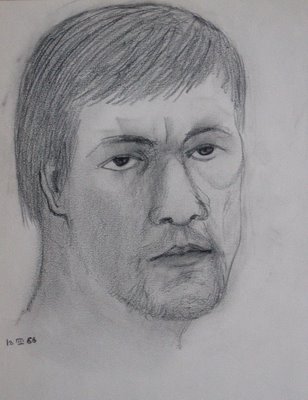
We were on a bus, going north out of Copenhagen, on our way to some adventure in the wild.
“It is good,” he says, “that when there are people like me, there are people like you!”
In the crowded bus he gave me this declaration of love.
He had to veil his bisexual feelings. He came home one day and told me that his friends had forced him to have my name tattooed on his shoulder. Now he wanted me to have his name on my shoulder. Tattoos were not at all fashionable at that time, but of course I agreed.
He always created a private sphere wherever we were. When I visited him in the mental hospital, where he always managed to be placed when his criminal activities caught up with him, we sat in a corner of the ward, on the floor behind his bed, and smoked weed, and the world outside this corner was void of existence. He was full of stories that opened up for sides of life I wasn’t too familiar with. I can still recall the feeling of harmonious excitement that the best moments with him generated.
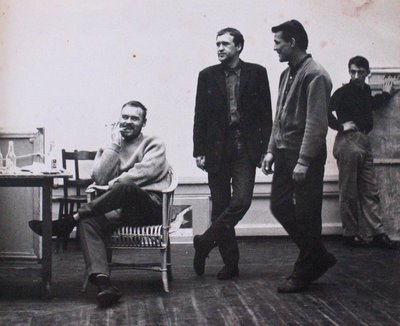 Ole Strøygård, Jens Nordsø and Ole preparing ‘Sommerudstillingen’
What had seemed impossible did happen. Ole came clean of the hard stuff and lived like so many other hippies with the hallucinogens alone. At this time, he lived in a small apartment on Christianshavn (an old part of town where the free state of Christiania was later established on the former military installations with their walls and moats).
One time a gay friend of Ole’s was there.
“Let us all go out to your place and go to bed,” Ole said.
It was the only time we had sex. I think he could not give himself to me without giving to another at the same time. Of course he knew how we both wanted him, and even in that situation he made us both feel as if we had been alone with him. There is surely a balance between quantity and quality of sex and if I have not had as much as I desired, the best was always a perfect spiritual experience.
When I returned from Sidi Ali I moved in with Ole Strøjgård and his girlfriend Vera who were living in the countryside north of Copenhagen. Here the winter passed quietly while I nursed my health back. For several months all I could eat was plain oats or rice. I was thinking of building a cabin on their land and made preliminary plans.
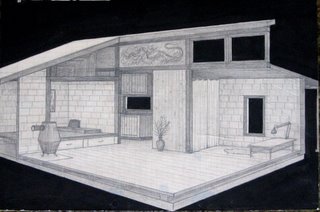
Then something happened that broke the spell.
I invited Ole for a visit. As soon as he arrived it was clear that Vera disliked him and there was a palpable tension in the house. I, being the one in between, felt it the most. When we had bedded down that night, Ole was on a mattress on the floor next to my bed. I was laying on my back, stiff as a board, and unable to sleep. Then, suddenly, I thought: “What does it matter? He is my friend and I don’t care what anybody feels about it.” The stiffness went out of my body and a warm relaxed mood invaded me. At that very moment I heard a little chuckle from Ole and I realized that he knew what was in my mind, that maybe he was the one who had dissolved the tension.
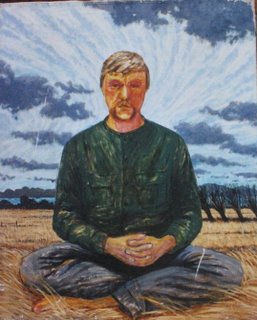
After that weekend, the harmony in the house was gone and I decided to move. I saw Ole in his room in town and again the same thing happened: I was tense and he relieved me wordlessly of the tension and let me know with a little chuckle that he was aware of my states of mind. He was planning to go to India and asked me if I would come. After my recent experiences in Sidi Ali I was scared of going out in the world, not the least with this wild boy as my companion. I said I would think about it, but when finally I got my courage up, he was gone. That was the last time I saw him.
I heard from him. At first he was high and lived as a sadhu, but then he got into junk again and died alone in Karachi two years later.
“I picked this guy up the other day,” he said. “He had just come out of Vestre prison and had nowhere to stay, so I let him stay here. He asked me if I would fix his friend’s teeth, and they are coming today, and now I am a little nervous about being alone with them in the apartment, for I have quite some gold in the clinic. You know, I don’t really think they will do anything, but if you could come and be here I would feel better.”
“Sure, I can come. I’ll dress in my leather jacket and look tough, and I’ll be there in half an hour.”
In no time I was on my bicycle, but when I arrived at Ebbe’s apartment the guy, Ole, was already there. He was standing in the clinic looking out the window, and when I came in to say hello he turned around. He was about my height with pale translucent skin and a red mouth. His nose had been broken, but what caught me were his eyes: rich light brown irises in porcelain white, accentuated by dark surroundings and finely drawn arched eyebrows. Their expression was innocent with a dog-like sadness. He took my hand and smiled and I totally forgot to look tough! There was radiance about him.
His friend arrived, and while Ebbe worked on his teeth Ole and I talked. He told me what I already knew, that he had been in prison, but he told more about his life: his father was a criminal, his mother dead; he had lived in foster homes and had been a junky and a male prostitute. I asked him if he still would go to bed with a man, and he said: “Yes, if it was a really good friend.” Then and there I decided to become his good friend.
When the teeth were done, we all had tea together, and Ole said that he had nowhere to stay. I was leaving for Paris in two days, so I said he could stay at my place for two weeks while I was away. His friend gasped: “Oh, no!” That was disconcerting, but I had said it. It was too late to retract. We agreed that Ole should come the next day, and I would show him the ropes.
When I came back from Paris Ole was not there.
My room was in a state. Have you ever seen a junkie’s den? The dirty bedclothes were all over the floor with blood stains, glasses with white residue, sooted spoons and candle drippings, plates with old dry bits of food, ashes, and cigarette butts, - and everything of value gone: art books, records, and my best clothes.
I had hardly time to react to the sight when the phone rang. It was Ole!
“How does your room look?” he asked.
“Pretty bad!” I said.
“I was at the hospital for detoxification this last week, my friends must have gotten in. They must have found the key. Can I come and help you?”
“Yes, you can come.”
So, there he was again, and together we got the room back in shape. I wasn’t sure if he was telling the truth, but it didn’t matter.
I met him from time to time at Ebbe’s apartment. About a month later he came to me. He was caught up in drugs again and wanted me to help him get off. He had a bottle of opium tincture, and we measured it up in diminishing doses to withdraw over a period, and he moved in. We slept together; we talked for hours in bed, and then we curled up and slept. I wanted to help him, and I felt that I could only do it if I didn’t become his lover; otherwise, I felt, I would completely lose control. We played music together and went on wild excursions in nature, often in the middle of the night. The good moments were out of this world - but it was a roller coaster.
Ole was like a destroying angel. Did the spirit of the herb call him forth? He came shortly after I began to smoke for real. He initiated the process of the dissolution of my straight life. As I was caught in these rapids, all I could do was trying to keep afloat.
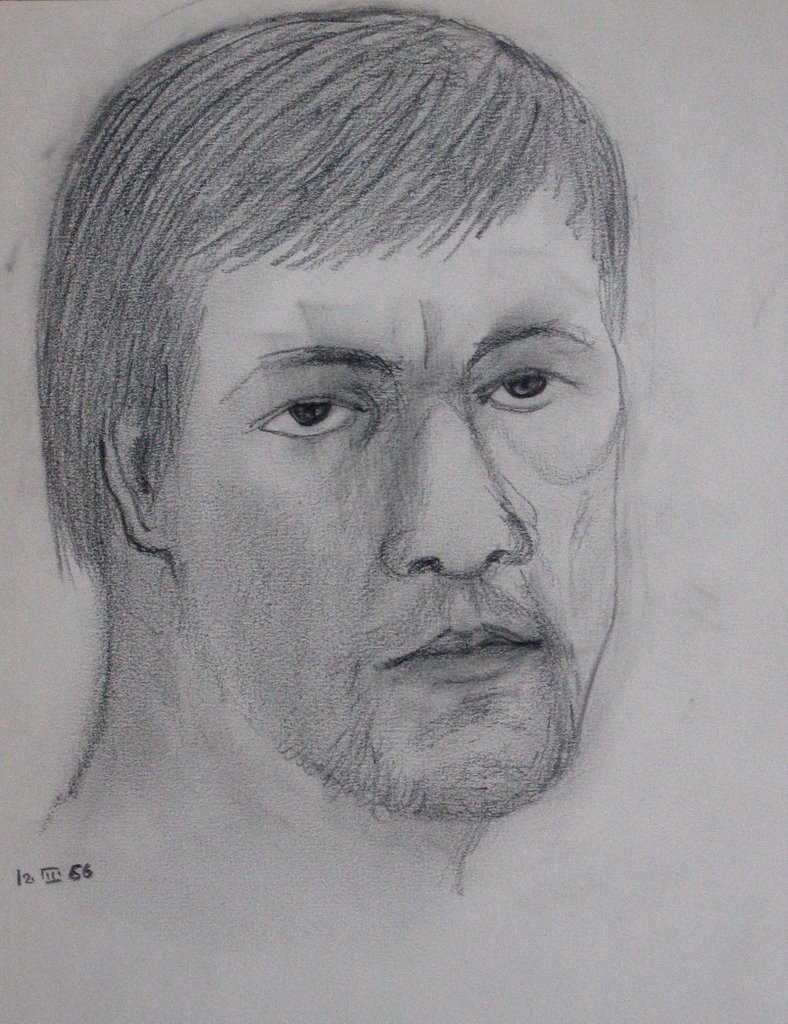
We were on a bus, going north out of Copenhagen, on our way to some adventure in the wild.
“It is good,” he says, “that when there are people like me, there are people like you!”
In the crowded bus he gave me this declaration of love.
He had to veil his bisexual feelings. He came home one day and told me that his friends had forced him to have my name tattooed on his shoulder. Now he wanted me to have his name on my shoulder. Tattoos were not at all fashionable at that time, but of course I agreed.
He always created a private sphere wherever we were. When I visited him in the mental hospital, where he always managed to be placed when his criminal activities caught up with him, we sat in a corner of the ward, on the floor behind his bed, and smoked weed, and the world outside this corner was void of existence. He was full of stories that opened up for sides of life I wasn’t too familiar with. I can still recall the feeling of harmonious excitement that the best moments with him generated.
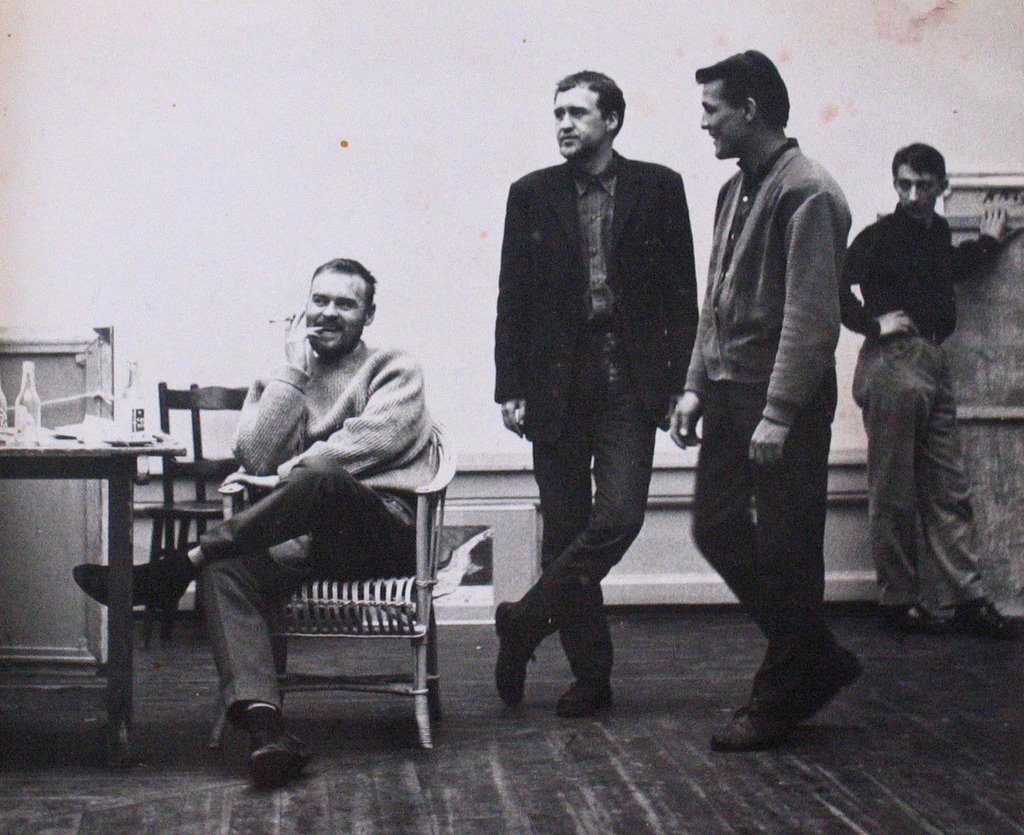 Ole Strøygård, Jens Nordsø and Ole preparing ‘Sommerudstillingen’
What had seemed impossible did happen. Ole came clean of the hard stuff and lived like so many other hippies with the hallucinogens alone. At this time, he lived in a small apartment on Christianshavn (an old part of town where the free state of Christiania was later established on the former military installations with their walls and moats).
One time a gay friend of Ole’s was there.
“Let us all go out to your place and go to bed,” Ole said.
It was the only time we had sex. I think he could not give himself to me without giving to another at the same time. Of course he knew how we both wanted him, and even in that situation he made us both feel as if we had been alone with him. There is surely a balance between quantity and quality of sex and if I have not had as much as I desired, the best was always a perfect spiritual experience.
When I returned from Sidi Ali I moved in with Ole Strøjgård and his girlfriend Vera who were living in the countryside north of Copenhagen. Here the winter passed quietly while I nursed my health back. For several months all I could eat was plain oats or rice. I was thinking of building a cabin on their land and made preliminary plans.

Then something happened that broke the spell.
I invited Ole for a visit. As soon as he arrived it was clear that Vera disliked him and there was a palpable tension in the house. I, being the one in between, felt it the most. When we had bedded down that night, Ole was on a mattress on the floor next to my bed. I was laying on my back, stiff as a board, and unable to sleep. Then, suddenly, I thought: “What does it matter? He is my friend and I don’t care what anybody feels about it.” The stiffness went out of my body and a warm relaxed mood invaded me. At that very moment I heard a little chuckle from Ole and I realized that he knew what was in my mind, that maybe he was the one who had dissolved the tension.

After that weekend, the harmony in the house was gone and I decided to move. I saw Ole in his room in town and again the same thing happened: I was tense and he relieved me wordlessly of the tension and let me know with a little chuckle that he was aware of my states of mind. He was planning to go to India and asked me if I would come. After my recent experiences in Sidi Ali I was scared of going out in the world, not the least with this wild boy as my companion. I said I would think about it, but when finally I got my courage up, he was gone. That was the last time I saw him.
I heard from him. At first he was high and lived as a sadhu, but then he got into junk again and died alone in Karachi two years later.
Subscribe to:
Posts (Atom)